
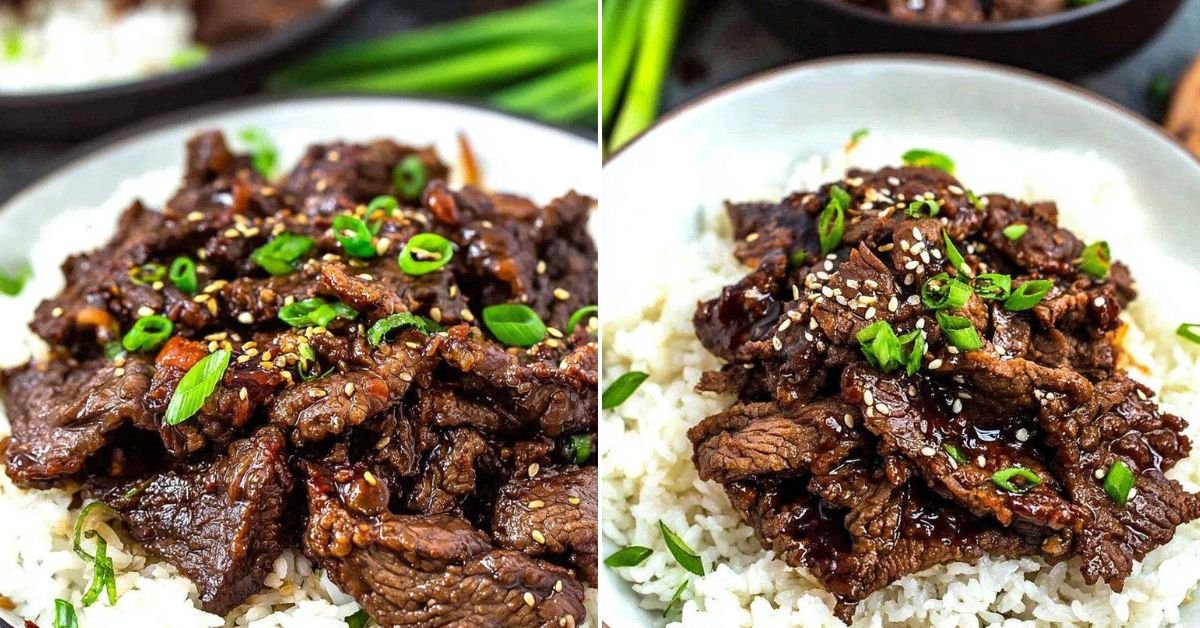
When I first tried bulgogi, I thought, this is the kind of dish that can turn an ordinary night into a small celebration. The way the beef cooks quickly, soaking up that sweet-savory marinade, feels like a little kitchen magic. Every bite carries hints of garlic, soy, and just the right touch of ginger. It’s comforting, but it also has a spark that makes it stand out. I’ve cooked this recipe for friends who swore they weren’t big on beef, only to watch them sneak seconds and then thirds. The aroma alone can pull people into the kitchen before you even plate the food. It’s that kind of dish, the one that makes the house feel warmer and fuller, almost like it’s giving hugs through the air. Bulgogi is simple enough to prepare on a busy weeknight, but it doesn’t feel rushed. It tastes layered, like you’ve spent hours coaxing out flavors, even when you only marinated the beef for half an hour. That’s the beauty of it. A good beef brisket recipe should leave you satisfied without leaving you stressed, and this one fits that bill perfectly.
Table of Contents
- 1) Key Takeaways
- 2) Easy Korean Beef Bulgogi Recipe
- 3) Ingredients for Korean Beef Bulgogi
- 4) How to Make Korean Beef Bulgogi
- 5) Tips for Making Korean Beef Bulgogi
- 6) Making Korean Beef Bulgogi Ahead of Time
- 7) Storing Leftover Korean Beef Bulgogi
- 8) Try these Korean Recipes next!
- 9) Korean Beef Bulgogi Recipe
- 10) Nutrition
1) Key Takeaways
- Bulgogi means fire meat in Korean and cooks fast at high heat.
- Thinly sliced beef brisket soaks up marinade and stays tender.
- Perfect for busy weeknights but impressive for guests.
- Pairs well with rice, lettuce wraps, or classic side dishes.
2) Easy Korean Beef Bulgogi Recipe
When I cook bulgogi, I don’t just cook dinner, I make the house smell like a Korean barbecue joint in the best way. The thin slices of beef brisket hit the hot skillet and sizzle right away. You hear that sound and know flavor is coming fast. This recipe shows that even on a weeknight, you can pull off something that feels special without stressing out. Twice in the first few bites you’ll notice how the beef brisket recipes you’ve tried before don’t come close to this balance of sweet and savory.
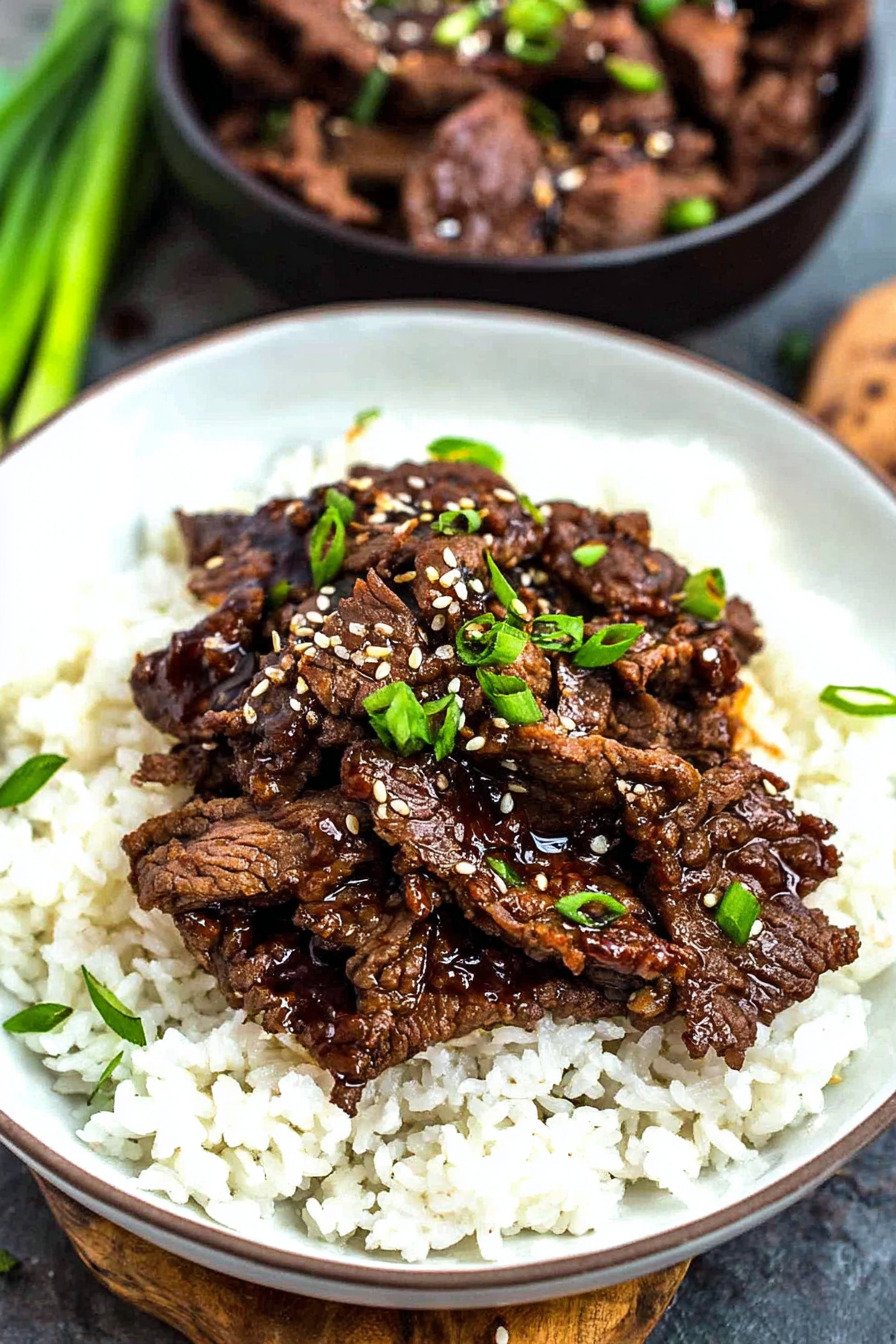
The marinade builds flavor with soy, garlic, and ginger. Those ingredients don’t just season the meat, they bring comfort. If you’ve tried a ground beef bulgogi recipe, you know it works, but the brisket version takes it to another level. The texture stays tender yet has that little chew that makes each bite satisfying. The sauce clings to the beef, and the aroma makes people wander into the kitchen before you even call them to the table.

It’s one of those easy bulgogi recipe ideas that fit anywhere: weeknight dinner, weekend gathering, or even meal prep. Cooking it feels fun. You slice, you stir, you cook fast, and you eat faster. I think beef brisket recipes like this prove that simple food can still surprise us. Once you’ve cooked it once, you’ll find excuses to make it again and again.

3) Ingredients for Korean Beef Bulgogi
Beef Brisket: Thinly sliced beef brisket is the star here. It cooks fast, stays tender, and carries the marinade beautifully. This cut makes bulgogi shine with rich flavor and soft texture.
Soy Sauce: This pantry staple adds salt and depth. It gives the beef that unmistakable umami character. Without soy sauce, bulgogi would feel incomplete.
Brown Sugar: Sugar balances salt and heat. It caramelizes on the beef and leaves a sweet note that pairs well with the char. The glaze on each slice makes every bite better.
Sesame Oil: Nutty, fragrant, and warm, sesame oil brings a distinct flavor that fills the air as the beef cooks. A little goes a long way.
Garlic and Ginger: Garlic gives sharpness and ginger adds warmth. Together, they lift the flavor and keep it fresh. They’re small ingredients but they set the tone for the whole dish.
Onion: Thin slices of onion melt into the beef and bring a touch of sweetness. When cooked, they’re soft and blend into the sauce.
Green Onion: Chopped and sprinkled at the end, they add freshness and color. A bit of crunch too, right when you need it.
Sesame Seeds: Toasted seeds add nutty crunch and visual appeal. They finish the dish with texture and charm.
Asian Pear: Grated pear works as a tenderizer and adds subtle sweetness. If you’ve tried a korean beef stew recipe, you may have seen pear used in the broth for the same reason.
4) How to Make Korean Beef Bulgogi
Step 1. Mix soy sauce, brown sugar, sesame oil, garlic, ginger, onion, and black pepper in a large bowl. Stir until sugar dissolves and the marinade smells strong and balanced.
Step 2. Add the beef brisket and grated pear. Coat every slice. Let it marinate for 30 minutes if you’re short on time or overnight if you can wait. The longer it sits, the richer the flavor gets.
Step 3. Heat a skillet on medium-high. Add a few slices of beef at a time so the pan stays hot. Cook fast, flip once, and take them out when they caramelize.
Step 4. Sprinkle with sesame seeds and green onions. The beef should look glossy and smell irresistible.
Step 5. Serve right away with rice, lettuce wraps, or as part of a spread with other Korean bbq recipes. The fun comes when everyone builds their own plate at the table.
5) Tips for Making Korean Beef Bulgogi
I’ve made this dish a dozen ways. Sometimes with pork bulgogi recipe style, sometimes with beef. What I learned is that the cut matters. Use thin slices and you’ll win every time. If the slices are too thick, the meat won’t soak the marinade and you lose that balance.
Marinate ahead when you can. Even thirty minutes makes a difference. Overnight transforms the beef into something you’d expect at a restaurant. Keep the marinade cold if you store it longer.
Cook in small batches. If you crowd the pan, the beef steams instead of searing. That sizzle is what you want. It makes the sauce cling tighter and gives you the caramel edge that tastes so good. These tips turn simple beef brisket recipes into meals that taste layered and full.
6) Making Korean Beef Bulgogi Ahead of Time
Bulgogi keeps well if you prep early. I like to slice the beef and mix the marinade the night before. That way the next day, all I have to do is cook. It makes dinner feel easy and leaves me with time to enjoy the meal instead of rushing.
If you’re making it for guests, prepare the beef and store it in the fridge until it’s time to cook. The flavor deepens while it rests. When your friends arrive, you just fire up the skillet and it’s ready in minutes.
You can also cook the beef and reheat gently. The taste holds well. Just don’t overheat or it might turn chewy. For me, this dish proves that good beef brisket recipes can save time and still taste amazing.
7) Storing Leftover Korean Beef Bulgogi
Leftovers don’t last long in my fridge, but if you do have some, store them in a sealed container. They’ll keep for up to three days. The flavor actually improves after sitting overnight. It’s like the sauce finds its way deeper into the beef.
When reheating, use low heat in a pan. Add a splash of water if the beef looks dry. Microwave works, but I find the skillet keeps texture better. Serve with fresh rice or fold into wraps for a quick lunch.
If you freeze bulgogi, wrap portions tight. Thaw in the fridge before reheating. It’s not the same as fresh, but it’s still better than most takeout.
8) Try these Korean Recipes next!
9) Korean Beef Bulgogi Recipe
Beef Brisket Recipes Korean Beef Bulgogi Made Easy
Ingredients
- 1 1/2 pounds beef brisket or ribeye, thinly sliced
- 1/4 cup soy sauce
- 2 tablespoons brown sugar
- 2 tablespoons sesame oil
- 3 cloves garlic, minced
- 1 small onion, thinly sliced
- 1 tablespoon grated ginger
- 1/4 teaspoon black pepper
- 2 green onions, chopped
- 1 tablespoon sesame seeds
- 1 medium pear, grated (for tenderness)
Instructions
- In a bowl, mix soy sauce, brown sugar, sesame oil, garlic, onion, ginger, and black pepper.
- Add the beef slices and grated pear. Toss well to coat and let marinate for 30 minutes or up to overnight.
- Heat a large skillet over medium-high heat. Cook the beef in batches until browned and slightly caramelized.
- Sprinkle with sesame seeds and green onions before serving.
- Serve with steamed rice, lettuce wraps, or alongside other Korean side dishes.
10) Nutrition
Serving Size: 1 cup | Calories: 320 | Protein: 24 g | Carbohydrates: 12 g | Fat: 18 g | Saturated Fat: 6 g | Sodium: 720 mg | Fiber: 1 g | Sugar: 6 g







Leave a Comment