

Let me tell you about my absolute favorite spaghetti recipes that’ll make you forget takeout even exists. I’ve been making this homemade spaghetti and meatballs recipe for years, and my kids still get excited when they smell it cooking. There’s something magical about tender meatballs simmering in rich sauce that fills the whole house with warmth. Now, I know what you’re thinking. You’ve probably tried a hundred different spaghetti recipes, maybe even a recipe for spaghetti sauce or a recipe for spaghetti squash. But trust me, this meatballs recipe is different. I use a special trick (a panade made with crushed crackers and cream) that keeps everything incredibly moist and flavorful. You can make it on the stovetop or toss it in the slow cooker when life gets crazy. What I love about this compared to other squash spaghetti recipes or those quick weeknight meals is that it feels fancy without being fussy. My husband jokes that it tastes like we’re eating at an Italian restaurant, but I’m standing there in my yoga pants with marinara on my shirt. That’s the beauty of good comfort food, right? Whether you’re new to cooking or you’ve tried all the different spaghetti recipes out there, this one’s a keeper. I promise you’ll make it again and again.

Table of Contents
- 1) Key Takeaways
- 2) Easy Classic Spaghetti and Meatballs Recipe
- 3) Ingredients for Classic Spaghetti and Meatballs
- 4) How to Make Classic Spaghetti and Meatballs
- 5) Tips for Making Classic Spaghetti and Meatballs
- 6) Making Classic Spaghetti and Meatballs Ahead of Time
- 7) Storing Leftover Classic Spaghetti and Meatballs
- 8) Try these Main Course next!
- 9) Classic Spaghetti and Meatballs
- 10) Nutrition
1) Key Takeaways
- What’s the secret to making tender, juicy meatballs that don’t fall apart?
- Can you make spaghetti and meatballs in a slow cooker?
- How do you keep meatballs from getting tough or dry?
- What’s the best meat combination for authentic Italian meatballs?
- Should you cook meatballs in the sauce or brown them first?
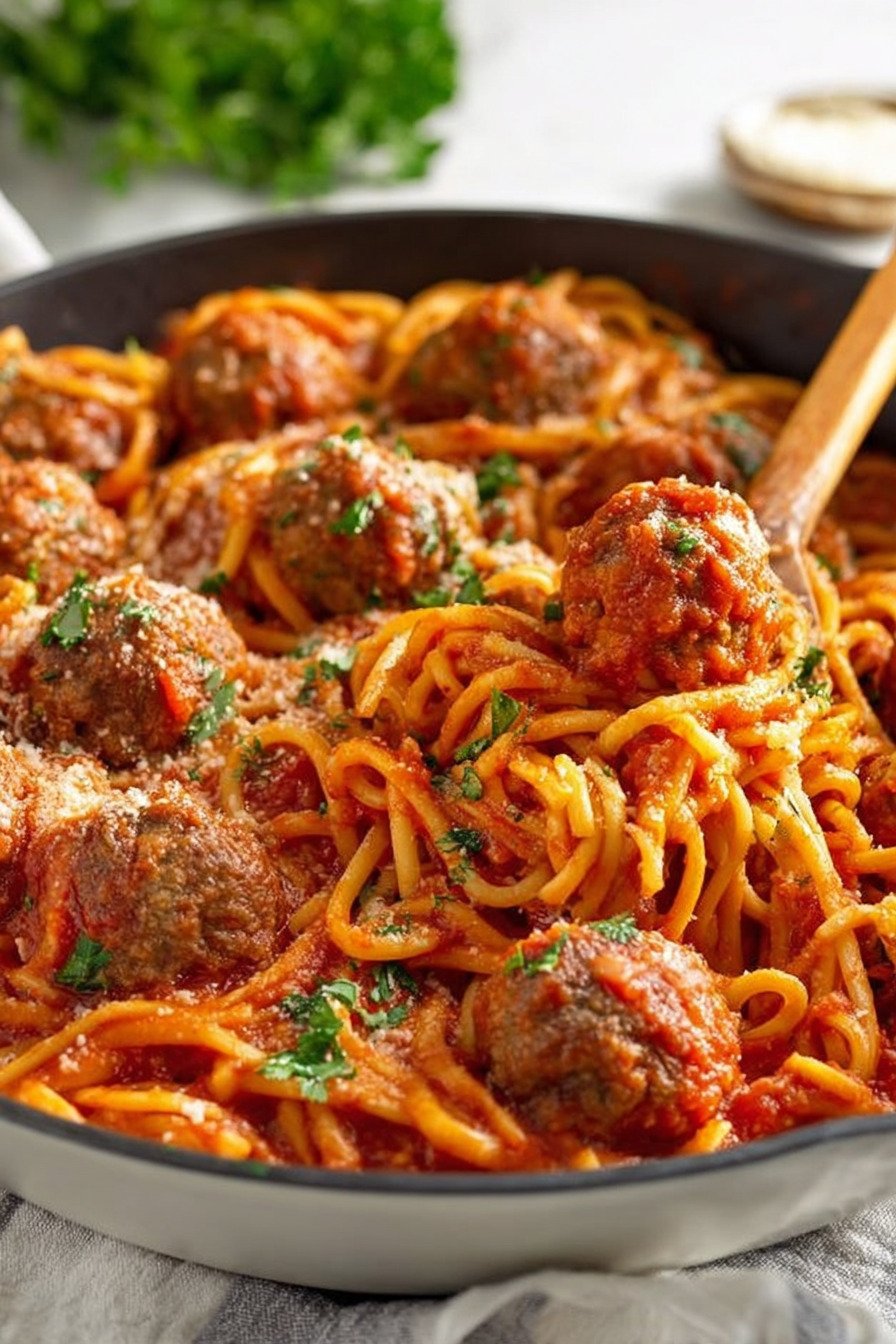
2) Easy Classic Spaghetti and Meatballs Recipe
You know what makes me laugh? When people act like good spaghetti recipes have to take all day or require some secret family technique passed down through generations. Sure, Nonna’s version is special, but here’s the truth: you can make restaurant-quality spaghetti recipes right in your own kitchen without spending hours over the stove. I’ve been testing this homemade spaghetti and meatballs recipe for years, tweaking it here and there, and I’ve finally nailed what makes meatballs taste amazing every single time.
The game changer? A panade. Sounds fancy, right? It’s just crushed crackers soaked in cream that you mix into the meat. This little trick keeps everything incredibly moist and tender. My kids used to complain that meatballs were too dry or fell apart on their plates, but once I started using this method, those complaints stopped. Now they ask me to pack the leftovers in their school lunches, which tells you everything you need to know.
What I love about this compared to other different spaghetti recipes I’ve tried is how forgiving it is. You can make it on the stovetop when you’ve got time to watch the pot, or you can dump everything in the slow cooker on a busy morning and come home to dinner that’s ready to go. I’ve done both ways dozens of times. The slow cooker method is perfect for those days when you’re running around like crazy and just need something that works.
Real talk: this beats takeout every time. The sauce is rich and flavorful, the meatballs practically melt on your fork, and your whole house smells incredible while it cooks. Plus, you can freeze batches of the cooked meatballs for later. I usually make a double batch and stash half in the freezer so I’ve got a head start on dinner next time I need it. That’s the kind of meal planning that actually makes sense in real life.
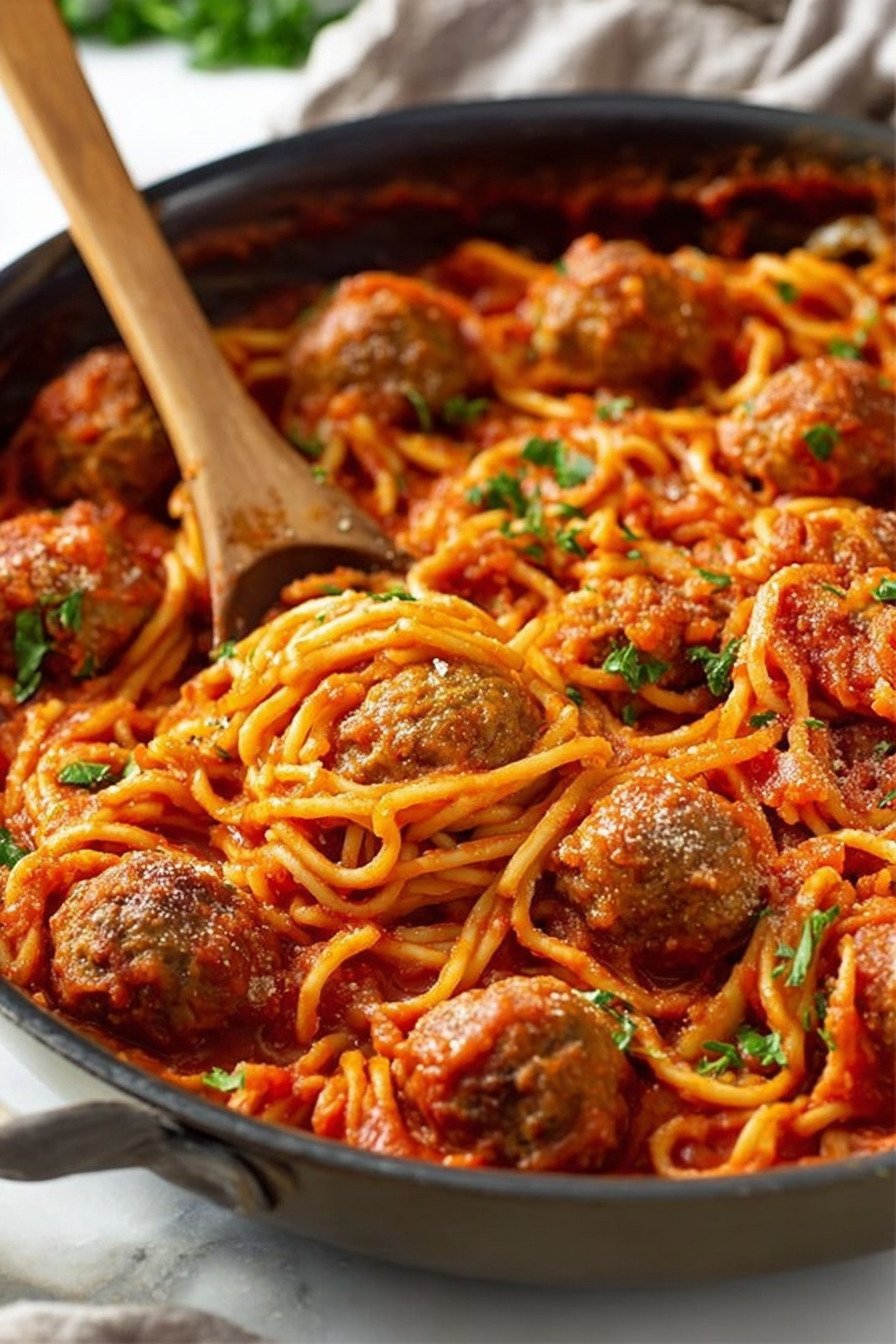
3) Ingredients for Classic Spaghetti and Meatballs
Olive Oil and Flour
You’ll need about 4 tablespoons of olive oil split between sautéing your aromatics and browning the meatballs. Don’t skimp on the quality here. Good olive oil adds flavor to everything it touches. The flour is for dredging the meatballs before you brown them, which helps create a light coating that keeps them from falling apart in the sauce. I keep a shallow dish of flour right next to my work area when I’m rolling meatballs. Makes the whole process go faster.
Yellow Onion and Garlic
Half a cup of finely diced yellow onion and 4 cloves of minced garlic form the flavor base for these meatballs. I cook them in a little olive oil first to soften them up and take the raw edge off. Then I let them cool before mixing them into the meat. Raw onions can make your meatballs taste harsh, but cooked onions? They add sweetness and depth. The garlic gets mellow and fragrant. Trust me on this step. It makes all the difference, even if it feels like an extra thing to do.
Eggs, Half and Half, and Worcestershire Sauce
Two whisked eggs bind everything together. Half a cup of half and half makes the panade super creamy. You can use whole milk if that’s what you’ve got, no big deal. The 2 teaspoons of Worcestershire sauce is one of those sneaky flavor enhancers that you can’t quite put your finger on when you’re eating, but you’d miss it if it wasn’t there. My husband always asks what makes these meatballs taste so good. This is part of the answer, along with the mustard powder we’ll talk about in a minute.
Crushed Ritz Crackers
This is where the magic happens. About 1¼ cups of crushed Ritz crackers get mixed with the egg and cream mixture to form that panade I mentioned earlier. You can use Italian breadcrumbs if you prefer, but I’m telling you, Ritz crackers are the secret weapon. They’ve got butter built right in, which adds richness you won’t get from regular breadcrumbs. I buy the boxes of crackers on sale and keep them in my pantry just for making meatballs and meatloaf. My kids know not to eat the last sleeve because Mom needs it for dinner.
Parmesan Cheese and Fresh Parsley
Quarter cup of grated Parmesan cheese goes into the meat mixture. Please don’t use the stuff in the green can for this. Get real Parmesan that you grate yourself or buy pre-shredded. The flavor is so much better. Fresh parsley, about a quarter cup roughly chopped, adds brightness and a pop of color. I grow parsley in a pot on my back porch for exactly this reason. It’s easy to snip what I need without having to buy those expensive plastic clamshells from the grocery store that always go bad before I can use them up.
Italian Seasoning, Mustard Powder, Salt, and Pepper
One teaspoon each of Italian seasoning and mustard powder, plus a teaspoon of salt and half a teaspoon of black pepper. The mustard powder is another one of those subtle additions that you won’t necessarily taste on its own, but it adds depth and a tiny bit of tang that makes everything taste more complex. I learned this trick from a recipe for spaghetti sauce years ago and started adding it to my meatballs too. Game changer is an overused phrase, but in this case it fits.
Ground Beef, Italian Sausage, and Ground Pork
Here’s where we get into the meat of it, literally. You need 1 pound of ground beef, half a pound of ground Italian sausage (sweet or mild, your choice), and half a pound of ground pork. This three-meat combination is what makes these meatballs taste authentic. The beef gives you that meaty base, the sausage brings seasoning and fat, and the pork adds tenderness. Some stores sell pre-mixed meatball meat that has all three combined, which is super convenient. I use 85% lean ground beef here. If you go leaner, the meatballs can get a little dry.
Marinara Sauce
Two 28-ounce jars of good marinara sauce. I’m a huge fan of Rao’s when I can find it on sale, but any quality sauce works great. You can absolutely make your own marinara from scratch if you’re feeling ambitious. I do that sometimes when I’ve got a lazy Sunday afternoon. But on weeknights? Jar sauce is your friend. No shame in that game. Life’s too short to make everything from scratch every single time. Save your energy for the parts that really matter, like making those meatballs perfect.
Spaghetti Pasta
One pound of spaghetti is what you need for this recipe. I like to use regular spaghetti, but you could use thick spaghetti or even linguine if that’s your preference. The key is cooking it just until al dente. Nothing ruins a pasta dish faster than mushy noodles. Check the package directions and knock a minute off the cooking time. The pasta will continue to cook a tiny bit when you toss it with the hot sauce.
Fresh Herbs and Extra Parmesan for Serving
A handful of fresh parsley or basil for garnish, plus extra Parmesan cheese for passing at the table. I always put out the Parmesan grater so people can add as much as they want. My daughter likes to basically bury her pasta in cheese, and you know what? That’s perfectly fine with me. This is comfort food. There are no rules about how much cheese is too much cheese.
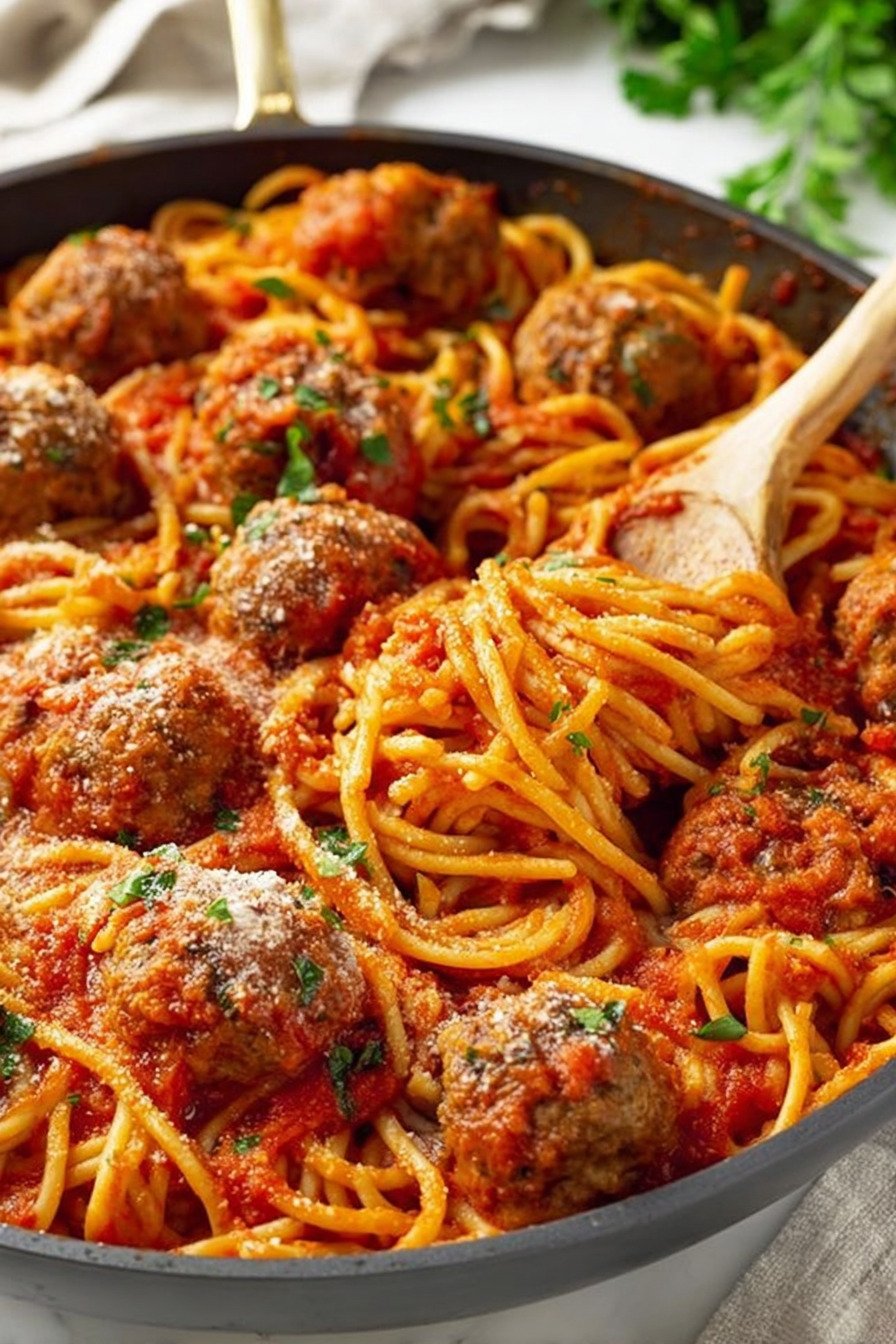
4) How to Make Classic Spaghetti and Meatballs
Step 1. Start by Cooking the Aromatics
Heat up 1 tablespoon of olive oil in a large pot over medium heat. Once it’s shimmering, toss in your diced onions. Let them cook for about 4 minutes, stirring occasionally. You want them soft and starting to turn translucent. Then add the minced garlic and cook for another minute. Your kitchen should smell amazing at this point. Take the pot off the heat and let everything cool down. This is really important because if you add hot onions and garlic to the raw meat mixture, you’ll start cooking the eggs and that makes everything weird and clumpy. Nobody wants that.
Step 2. Mix Up Your Panade
Grab a large mixing bowl and whisk together the eggs, half and half, and Worcestershire sauce. Add the crushed Ritz crackers and give everything a good stir. Let this sit for a minute or two. The crackers will absorb all that liquid and turn into this creamy, pudding-like mixture. That’s exactly what you want. This panade is what’s going to keep your meatballs from getting tough and dry. It’s like built-in insurance for tender meatballs every single time.
Step 3. Add Your Seasonings and Cooled Aromatics
Now stir in the Parmesan cheese, chopped parsley, Italian seasoning, mustard powder, salt, and pepper. Add your cooled onions and garlic. Mix everything together until it’s well combined. At this point, you’ve created this really flavorful base that’s going to make your meatballs taste incredible. This is where all the flavor lives. The meat is just the vehicle, you know? Some people skip this step and just throw raw meat together with some breadcrumbs. Those people are missing out on what makes a meatball actually good.
Step 4. Gently Mix in the Meat
Add your ground beef, Italian sausage, and ground pork to the bowl. Here’s the thing about mixing meat for meatballs: gentle is the name of the game. Use your hands and work the meat into the other ingredients just until everything is evenly distributed. Don’t squeeze it or knead it like you’re making bread dough. Overworking the meat makes the proteins bind together too tightly, which results in tough, dense meatballs. You want to handle it as little as possible while still getting everything mixed. It’s a fine line, but you’ll get the feel for it after making these once or twice.
Step 5. Roll Out Your Meatballs
Time to roll these babies out. You’re shooting for about 1½ inches in diameter. I usually end up with around 34 meatballs from this batch. Pro tip: rub a little olive oil on your hands before you start rolling. The meat won’t stick to your palms as much, which makes the whole process go way faster. Once they’re all rolled, stick them in the fridge for 10 to 15 minutes. This firms them up a bit. Then give each one another quick roll to smooth out any rough spots. They’ll look neater and hold together better when you cook them.
Step 6. Coat the Meatballs in Flour
Pour about half a cup of flour onto a large plate. Roll each meatball through the flour to give it a light coating all over. This creates a barrier that helps the meatballs stay intact when you’re browning them and when they’re simmering in the sauce later. I used to skip this step thinking it was unnecessary, but then my meatballs would sometimes fall apart in the pot. Now I always do it. Takes an extra two minutes and saves you from having crumbled meat floating in your sauce.
Step 7. Brown the Meatballs in Batches
Heat the remaining 3 tablespoons of olive oil in that same pot you used for the onions. Get it nice and hot over medium heat. Working in batches so you don’t crowd the pan, add your meatballs. Give them plenty of space so you can easily roll them around to brown all sides. About 1½ minutes per side does the trick, roughly 5 to 6 minutes total per batch. You’re not trying to cook them through at this point. Just get a nice golden crust on the outside. Transfer the browned meatballs to a plate and keep going until they’re all done.
Step 8. Add the Sauce and Simmer
Take a look at the bottom of your pot. You might have some black bits stuck there. Wipe those off with a paper towel, but leave the brown fond. That’s pure flavor. Pour in your marinara sauce. If it looks thick, add about a quarter cup of water. The sauce will reduce and thicken up as it simmers, so you want to start with it a little on the loose side. Nestle all your meatballs back into the sauce. Let everything simmer together over medium heat for 30 minutes. Don’t cover the pot completely. Leave it cracked open a bit so steam can escape.
Step 9. Cook Your Pasta
While the meatballs are doing their thing, bring a big pot of water to a boil. Salt it generously. I’m talking like 2 to 3 tablespoons of kosher salt for a big pot. This is your only chance to season the pasta itself, so don’t be shy. Cook the spaghetti according to the package directions, but pull it a minute early. Drain it in a colander. Don’t rinse it. That starch on the outside helps the sauce cling to the noodles. Put the drained pasta back in the warm pot it cooked in.
Step 10. Bring It All Together
Ladle a few big spoonfuls of sauce and several meatballs over the pasta. Use some tongs to gently toss everything together. The goal is to coat the noodles without breaking up the meatballs. Go easy. You’re almost there. Pile the spaghetti and meatballs onto plates or into bowls. Top with a sprinkle of fresh parsley or torn basil leaves. Pass the Parmesan cheese at the table. Serve with some good crusty bread for sopping up extra sauce. Pour yourself a glass of red wine. Sit down and enjoy what you just made. You earned it.
5) Tips for Making Classic Spaghetti and Meatballs
Don’t Overwork the Meat Mixture
I know I mentioned this already, but it’s worth saying again because it’s so important. When you’re mixing the meat with all the other ingredients, use a light touch. Squeezing and kneading the mixture activates the proteins in the meat, which makes everything bind together really tightly. That might sound like a good thing, but it’s not. What you end up with is tough, rubbery meatballs that have a weird texture. Mix just until everything is combined and then stop. Your arms might feel like you should keep going, but resist the urge. Less is more here.
Let the Panade Do Its Job
When you mix the crushed crackers with the liquid, give it a minute or two before you add it to the meat. You want those crackers to fully absorb all the eggs and cream. They should look like a thick paste. That’s the panade working its magic. If you rush this step and add it too quickly, the crackers won’t be fully hydrated and you’ll end up with dry pockets in your meatballs. Two minutes of patience here pays off in a big way. I usually prep my onions and garlic while the panade is doing its thing. Multitasking for the win.
Size Matters When Rolling Meatballs
Try to keep all your meatballs about the same size. If some are bigger and some are smaller, they won’t cook evenly. The small ones will get overdone and dry while the big ones are still raw in the middle. I aim for about 1½ inches across. That’s roughly the size of a ping pong ball if you need a visual reference. If you want to get really precise, you can use a small ice cream scoop to portion them out. I don’t bother with that level of detail, but some people like it. Do what works for you.
Brown in Batches for Best Results
Don’t try to cram all the meatballs into the pot at once. You’ll just end up steaming them instead of browning them, and you won’t get that nice crust. Leave plenty of space around each meatball so you can roll it around easily. I usually do two or three batches depending on the size of my pot. Yes, it takes a little longer. Yes, it’s worth it. That golden-brown exterior adds flavor and helps the meatballs keep their shape when they simmer in the sauce. Take your time with this step and you’ll be glad you did.
Use Good Quality Marinara
The sauce is half the dish, so don’t phone it in with some bottom-shelf jar sauce that tastes like sweetened ketchup. You don’t have to break the bank, but get something decent. Read the ingredient list. It should be mostly tomatoes, olive oil, garlic, and herbs. If sugar is one of the first ingredients, put it back. I keep a couple jars of good sauce in my pantry for nights when I don’t have time to make my own. Rao’s is my go-to, but there are other good brands out there. Taste a few and find one you like. This is one of those recipe for spaghetti sauce moments where quality ingredients really shine through.
Save Some Pasta Water
Before you drain your pasta, scoop out a cup of the cooking water and set it aside. That starchy water is liquid gold for adjusting the consistency of your sauce. If things look too thick when you’re tossing everything together, add a splash of pasta water to loosen it up. The starch helps the sauce cling to the noodles better too. I forget to do this about half the time, but when I remember, it makes a real difference. Set the cup right next to the stove so you don’t forget. Learn from my mistakes.
Taste and Adjust Your Seasoning
Once everything’s together, taste a meatball and a bite of pasta with sauce. Does it need more salt? A grind of black pepper? Maybe a pinch of red pepper flakes if you like heat? This is your chance to make it exactly how you like it. Everyone’s palate is different. Some people like things saltier, some like more garlic. There’s no wrong answer here. I usually add a little extra Parmesan and some torn fresh basil right at the end. My husband likes to shake red pepper flakes over his portion. Do what makes you happy. That’s the whole point of cooking at home.
6) Making Classic Spaghetti and Meatballs Ahead of Time
Prep the Meatballs in Advance
You can roll out all your meatballs up to a day ahead of time. Just place them on a baking sheet lined with parchment paper, cover with plastic wrap, and stick them in the fridge. When you’re ready to cook, take them out about 15 minutes before you want to start browning them. Cold meatballs straight from the fridge can cause the oil temperature to drop too much, which means they’ll stick to the pan. Letting them come to room temperature a bit helps them brown evenly. I do this on Sunday afternoons sometimes when I’m prepping for the week ahead. Having the meatballs ready to go makes weeknight dinner so much easier.
Brown and Refrigerate for Quick Meals
Here’s another great make-ahead option. Brown all your meatballs as directed in the recipe, then let them cool completely. Transfer them to an airtight container and refrigerate for up to 3 days. When you’re ready to eat, add them to your simmering marinara sauce and give them an extra 10 minutes to heat through completely. This method is perfect for busy weeknights. You’ve already done the messy part, and all that’s left is simmering and boiling pasta. I’ve fed my family dinner in under 30 minutes using this approach. Feels like cheating, but it’s just smart planning.
Freeze Browned Meatballs for Later
Want to get really ahead of the game? Brown your meatballs, let them cool, then freeze them. Place them on a baking sheet or large plate and freeze for an hour or two until they’re solid. Transfer them to a gallon freezer bag, squeeze out as much air as you can, and pop them back in the freezer. They’ll keep for up to 3 months. You can add them to sauce straight from frozen. Just give them a little extra simmering time to heat through. I always make a double batch and freeze half. Future you will thank present you for this move.
Full Slow Cooker Method
If you want to use your slow cooker, brown the meatballs on the stovetop first. Don’t skip that step. The browning adds flavor you won’t get if you just dump raw meatballs into the slow cooker. Once they’re browned, transfer them to your slow cooker and pour in the marinara sauce. Cook on high for 3 to 4 hours or on low for 6 to 7 hours. The meatballs will be incredibly tender after this long, slow cook. Just boil your pasta right before you’re ready to eat. This is my favorite method for days when I know I’ll be out of the house all afternoon. Coming home to dinner that’s already done feels like a little miracle every time.
Make the Sauce from Scratch Ahead
If you’re making homemade marinara instead of using jarred sauce, you can make it several days in advance. Actually, tomato sauce gets better after a day or two in the fridge. The flavors have time to meld together and mellow out. Make a big batch on the weekend, store it in the fridge, and use it throughout the week. You can even freeze marinara sauce for up to 3 months. Having homemade sauce in the freezer is like having a secret weapon for quick dinners. Thaw it overnight in the fridge or heat it gently in a pot straight from frozen. Either way works great.
Don’t Cook the Pasta Ahead
Here’s what doesn’t work well: cooking the pasta ahead of time. Pasta continues to absorb liquid after it’s cooked, so if you make it in advance, it’ll get mushy and stick together in a clump. Always cook your pasta fresh right before you’re ready to eat. It only takes about 10 minutes, so it’s not a big deal. If you absolutely have to cook it ahead, toss it with a little olive oil to keep it from sticking, but know that the texture won’t be quite as good. Fresh pasta is always better. Some shortcuts are worth taking. This one isn’t.
Reheating Leftovers
If you’ve got leftover spaghetti and meatballs already mixed together, the best way to reheat it is gently in a covered pot on the stove. Add a splash of water or broth to loosen up the sauce. It’ll thicken as it sits in the fridge. Heat everything over medium-low, stirring occasionally, until it’s hot all the way through. You can also microwave individual portions, but the stovetop method gives you better texture. The microwave tends to dry things out a bit. Add a little extra Parmesan and fresh herbs when you serve it to perk everything back up. Leftovers of this dish are honestly almost as good as fresh. Sometimes I think they might even be better.
7) Storing Leftover Classic Spaghetti and Meatballs
Refrigerator Storage
Store your leftover spaghetti and meatballs in airtight containers in the refrigerator. They’ll keep for 3 to 4 days. If you’ve got a lot of leftovers, consider separating the meatballs and sauce from the pasta. The pasta will absorb sauce over time, which can make everything a little gluey. Keeping them separate means you can add fresh pasta or just heat up the meatballs and sauce over something else, like mashed potatoes or polenta. I learned this trick after throwing away one too many containers of pasta that had turned into a solid brick. Live and learn, right?
Freezer Storage for Long Term
Spaghetti and meatballs freeze beautifully. Let everything cool completely first. Trying to freeze hot food just creates a mess and can raise the temperature in your freezer. Portion the leftovers into freezer-safe containers or heavy-duty freezer bags. Leave a little space at the top because the sauce will expand as it freezes. Squeeze out as much air as possible if you’re using bags. Label everything with the date. You think you’ll remember what’s in there, but you won’t. Trust me on this. These will keep in the freezer for up to 3 months. After that, they’re still safe to eat but the quality starts to decline.
Best Containers for Storage
Glass containers with tight-fitting lids are my favorite for storing this dish. They don’t absorb odors or stains like plastic can, and you can reheat directly in them if you’re using the microwave. Just make sure they’re labeled as microwave-safe. If you’re going with plastic containers, use good quality ones that seal well. Those cheap takeout containers you get from restaurants won’t cut it for long-term storage. They leak and let air in. Invest in some decent storage containers. You’ll use them constantly, and they pay for themselves by helping you avoid food waste.
Thawing Frozen Leftovers Safely
The safest way to thaw frozen spaghetti and meatballs is in the refrigerator overnight. Pull it out in the morning before you leave for work, and by dinnertime it’ll be thawed and ready to reheat. If you’re in a hurry, you can thaw it in the microwave using the defrost setting. Just be careful because it’s easy to accidentally start cooking it if your microwave runs hot. You can also reheat it directly from frozen in a covered pot on the stove over low heat. Stir it frequently and add a little water or broth to keep it from sticking. It’ll take longer, but it works in a pinch.
Refreshing Leftovers
When you’re reheating leftovers, they can taste a little flat. The flavors mellow out in the fridge. Freshen things up by adding a splash of good olive oil, a handful of torn fresh basil, and extra Parmesan cheese right before serving. A grind of black pepper helps too. These little touches make leftovers taste more like a fresh meal and less like something you’re eating because you have to. My kids actually request the leftover spaghetti and meatballs for lunch. That’s how I know this stuff is good. Kids are picky about leftovers, and mine will demolish these without complaint.
Creative Ways to Use Leftovers
Don’t feel like you have to eat leftover spaghetti and meatballs the same way every time. Get creative. Chop up the meatballs and use them in a sub sandwich with melted mozzarella. Layer everything in a baking dish, top with cheese, and bake it for a spaghetti casserole. Use the meatballs and sauce over garlic bread for an open-faced meatball sandwich. Stuff them into bell peppers with some rice. Mix the sauce with some cream and Parmesan for a quick pink sauce over fresh pasta. The possibilities are endless once you start thinking outside the box. Leftovers don’t have to be boring. They’re just ingredients waiting for their next adventure.
Food Safety Reminders
A few food safety notes because nobody wants to get sick. Don’t leave cooked food sitting out at room temperature for more than 2 hours. If it’s hot outside or your kitchen is warm, make that 1 hour. Bacteria grow fast in the danger zone between 40°F and 140°F. Get those leftovers into the fridge or freezer promptly. When you’re reheating, make sure everything gets hot all the way through. I aim for steaming hot, not just lukewarm. If something smells off or looks weird, throw it out. It’s not worth the risk. When in doubt, toss it out. That’s my rule, and it’s kept my family safe for years. Being smart about food safety doesn’t take much extra effort, but it matters.
8) Try these Main Course next!
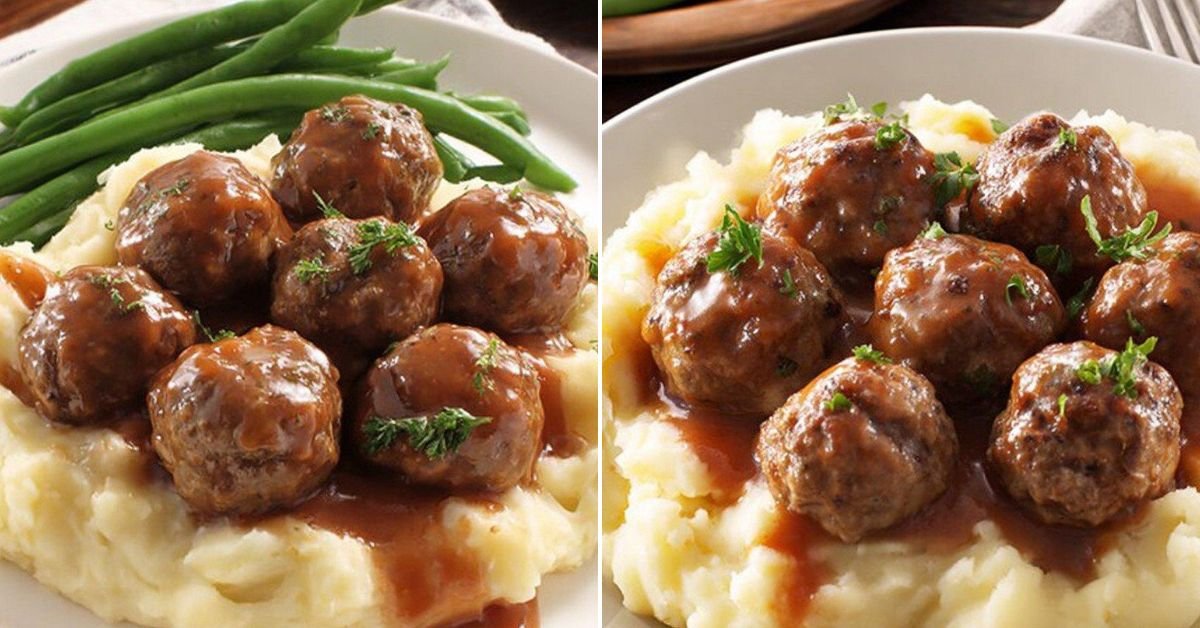



9) Classic Spaghetti and Meatballs
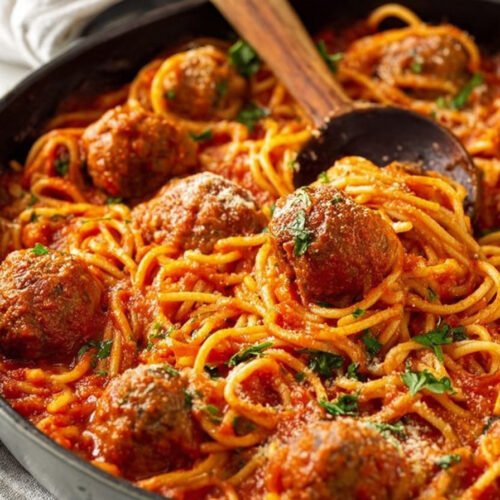
Spaghetti Recipes: Classic Homemade Spaghetti and Meatballs
Ingredients
Olive Oil and Flour
- 4 tablespoons olive oil, divided (1 and 3)
- ½ cup all-purpose flour, for coating meatballs
For the Meatballs
- ½ cup yellow onion, finely diced
- 4 cloves garlic, minced
- 2 large eggs, whisked
- ½ cup half and half (or whole milk)
- 2 teaspoons Worcestershire sauce
- 1¼ cups crushed Ritz crackers (or Italian breadcrumbs)
- ¼ cup grated Parmesan cheese
- ¼ cup fresh parsley, roughly chopped
- 1 teaspoon Italian seasoning
- 1 teaspoon mustard powder
- 1 teaspoon salt
- ½ teaspoon black pepper
- 1 lb. ground beef (85% or 90% lean)
- ½ lb. ground Italian sausage (sweet or mild)
- ½ lb. ground pork
For the Spaghetti and Sauce
- 2 (28 oz.) jars marinara sauce (or homemade)
- 1 lb. spaghetti
- Fresh parsley or basil for garnish
- Extra Parmesan cheese for serving
Instructions
Prepare the Meatballs
- Heat 1 tablespoon olive oil in a large pot over medium heat. Toss in your diced onions and let them get soft and sweet for about 4 minutes. Add the minced garlic and cook for another minute until your kitchen smells amazing. Take the pot off the heat and let everything cool down a bit.
- Grab a large bowl and whisk together the eggs, half and half, and Worcestershire sauce. Stir in those crushed Ritz crackers and let them sit for a couple minutes. They’ll soak up all that liquid and turn into what we call a panade (fancy word, but it just means your meatballs will be super tender).
- Now add the Parmesan, parsley, Italian seasoning, mustard powder, salt, pepper, and your cooled onion mixture. Give it all a good stir.
- Time for the meat! Add your ground beef, sausage, and pork to the bowl. Here’s the trick: mix gently with your hands just until everything’s combined. Don’t go crazy with it or you’ll end up with tough meatballs. Nobody wants that.
- Roll the mixture into balls about 1½ inches across. You should get around 34 meatballs. Pop them in the fridge for 10 to 15 minutes to firm up, then roll them again to smooth out any rough spots. (Pro tip: rub a little olive oil on your hands so the meat doesn’t stick. You’re welcome.)
Brown the Meatballs
- Pour the flour onto a large plate and roll each meatball in it. This coating helps them stay together when you’re cooking them.
- Heat the remaining 3 tablespoons of olive oil in that same pot you used for the onions. Working in batches so they’re not crowded, brown the meatballs on all sides. This takes about 1½ minutes per side, roughly 5 to 6 minutes total. Set them aside on a plate when they’re done.
Simmer Everything Together
- Wipe out any burnt bits from the pot, but leave those tasty brown bits. They’ll make your sauce richer.
- Pour in your marinara sauce. If it looks too thick, add about ¼ cup water. The sauce will reduce as it simmers, so don’t worry about it being a little loose.
- Nestle all those beautiful meatballs back into the sauce. Let everything simmer over medium heat for 30 minutes. Your house is going to smell incredible right now.
Cook the Pasta and Serve
- While the meatballs are doing their thing, bring a big pot of salted water to a boil. Cook the spaghetti according to the package directions. Drain it (don’t rinse!) and put it back in the warm pot.
- Ladle the meatballs and sauce over the spaghetti. Use some tongs to toss everything together gently.
- Pile it onto plates and top with fresh parsley or basil and lots of Parmesan cheese. Serve with some crusty garlic bread and watch everyone go quiet while they eat. That’s when you know it’s good.
10) Nutrition
Serving Size: 1/8 of recipe, Calories: 665, Sugar: 11 g, Sodium: 1777 mg, Fat: 28 g, Saturated Fat: 10 g, Carbohydrates: 63 g, Fiber: 5 g, Protein: 41 g, Cholesterol: 123 mg






Leave a Comment