

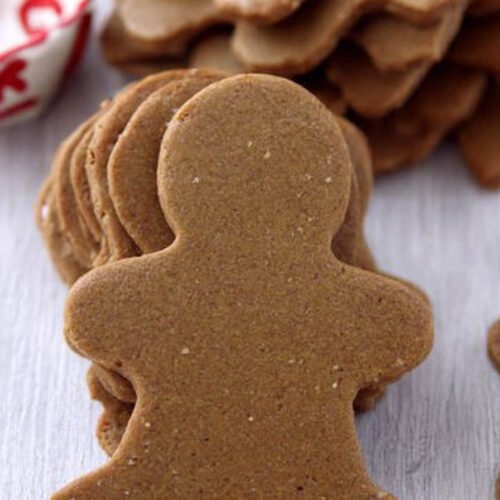
I’ve been making these gingerbread cookies for years now, and they’re the only recipe I trust when I need cookies that actually look like what I cut them to be. You know what I mean, right? We’ve all had those disasters where your cute gingerbread man turns into something resembling a blob. What makes these different from every other gingerbread dough recipe out there? No baking powder. Yep, that’s the secret. I skip it completely, and the cookies hold their shape like magic. The dough itself is super forgiving too, kind of like working with playdough but way more delicious. I learned this trick after way too many failed batches where my carefully cut shapes turned into pancakes in the oven. The best part? These cookies taste incredible. They’ve got that perfect spice blend with just enough molasses to give you that classic gingerbread flavor without being overwhelming. My family asks for them every December, and honestly, I make them year-round now because they’re that good. Trust me on this one, you’re going to want to bookmark this gingerbread man cookies recipe for all your holiday baking.
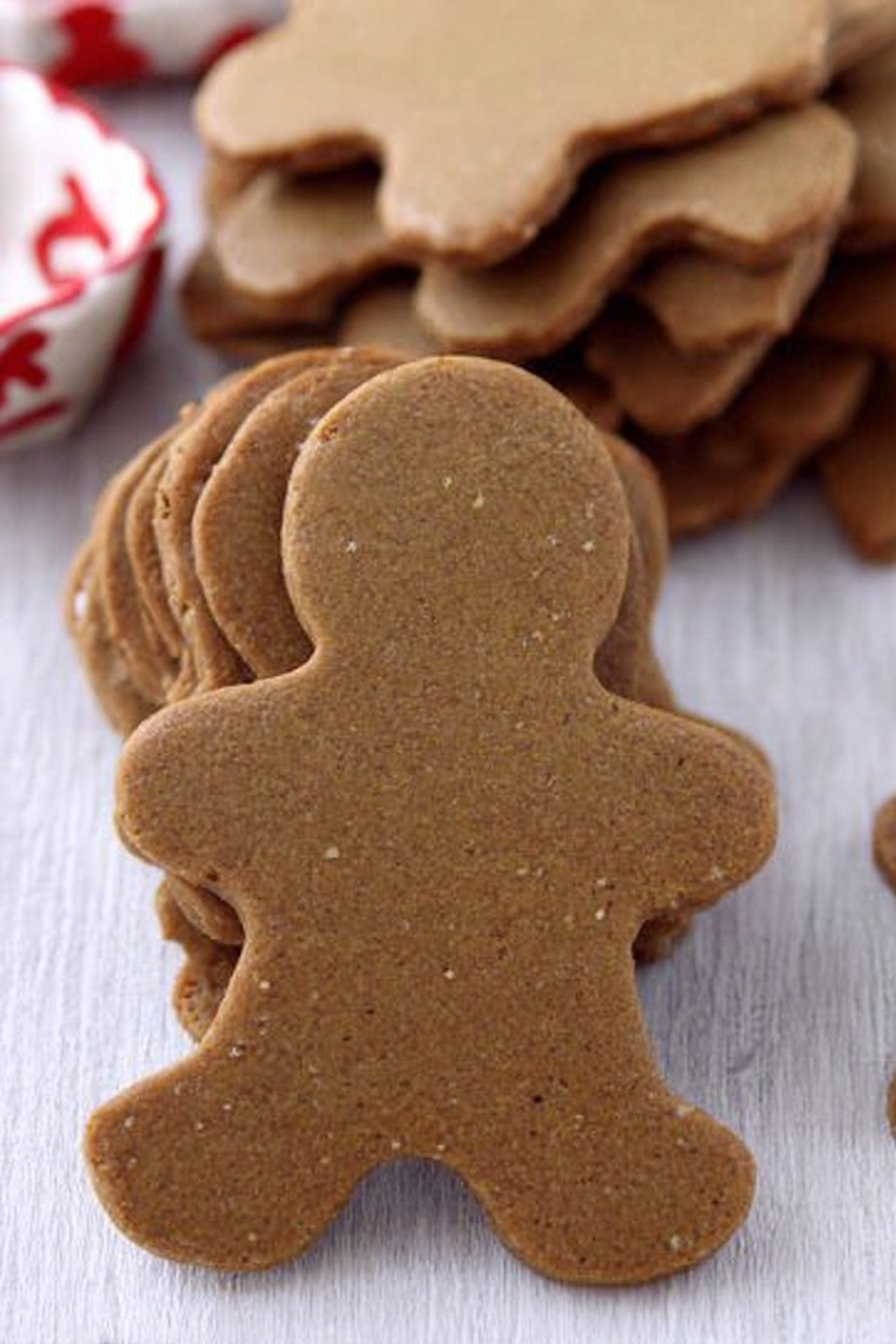
Table of Contents
- 1) Key Takeaways
- 2) Easy Gingerbread Cookies Recipe
- 3) Ingredients for Gingerbread Cookies
- 4) How to Make Gingerbread Cookies
- 5) Tips for Making Gingerbread Cookies
- 6) Making Gingerbread Cookies Ahead of Time
- 7) Storing Leftover Gingerbread Cookies
- 8) Try these Desserts next!
- 9) Gingerbread Cookies
- 10) Nutrition
1) Key Takeaways
- Why don’t my gingerbread cookies hold their shape?
- What’s the secret to gingerbread cookies that don’t spread?
- Can I make gingerbread cookie dough ahead of time?
- How do I keep my cut out cookies from losing their shape in the oven?
- What makes gingerbread cookies soft vs hard?
2) Easy Gingerbread Cookies Recipe
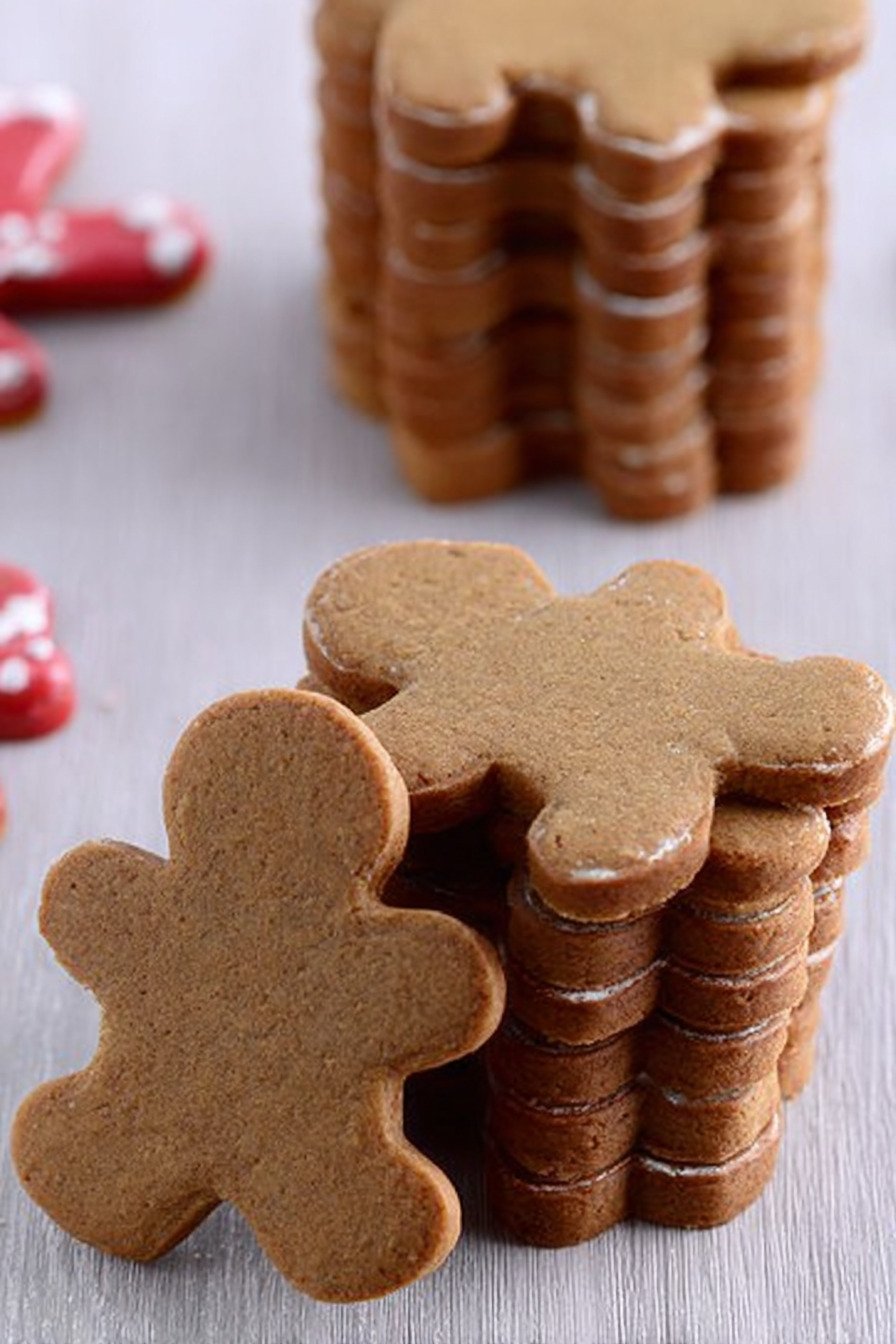
Listen, I’ve been through the cookie disasters. You know the ones I’m talking about. You spend an hour carefully cutting out perfect little gingerbread men, only to watch them morph into unidentifiable blobs in the oven. Your cute snowflake becomes a meteor crater. Your reindeer looks more like a hippopotamus. It’s honestly heartbreaking when you’re trying to make something special for the holidays.
That’s exactly why I’m so excited to share this gingerbread cookies recipe with you. These beauties keep their shape perfectly. No spreading, no bloating, no disappointment. I’ve made batch after batch over the years, and they come out looking exactly like I intended every single time. The secret? We’re skipping the baking powder completely. I know it sounds weird, but trust me on this one.
The flavor is exactly what you want from gingerbread cookies. Not too spicy, not too sweet, just that perfect balance of molasses and warm spices that screams December. My kids fight over who gets to decorate them every year. The dough itself is a dream to work with once you get the hang of it. It’s forgiving, it rolls out beautifully, and it doesn’t stick to everything like some other cookie doughs I’ve worked with over at Nancy Cooks.
What I love most about these cookies is how versatile they are. Sure, they’re perfect for decorating with royal icing and sprinkles. But they’re just as good plain with a cup of coffee. I’ve even used this same dough to make gingerbread house pieces because it bakes up so sturdy. The cookies have just enough chew without being hard, and they won’t crumble when you bite into them.

3) Ingredients for Gingerbread Cookies
All Purpose Flour forms the base of these cookies. I use regular white flour, nothing fancy. Make sure you measure it correctly though. I like to whisk my flour first, then gently scoop and level it. If you pack it into the measuring cup, you’ll end up with way too much flour and your dough will be dry and crumbly. Been there, done that, learned my lesson.
Salt and Spices bring all the flavor magic. We’re using ground ginger, cinnamon, and just a touch of cloves. The ginger gives you that classic spicy warmth without being overwhelming. The cinnamon adds sweetness and depth. And those cloves? Just a quarter teaspoon is all you need for that distinctive gingerbread flavor. Don’t skip the salt either, it makes all the other flavors pop.
Unsalted Butter at room temperature is what we need here. Not melted, not cold from the fridge. Room temperature means you can press your finger into it and it leaves an indent. If your butter is too cold, your dough will be a nightmare to work with. If it’s too warm, well, your cookies might spread after all. I usually leave mine on the counter for about an hour before I start baking.
Dark Brown Sugar adds moisture and that deep, caramel like flavor. You could use light brown sugar if that’s what you have, but the dark stuff really makes these cookies special. Pack it firmly into your measuring cup. I mean really pack it. It should hold its shape when you dump it out.
One Large Egg binds everything together and adds richness. Make sure it’s at room temperature too. Cold eggs don’t mix as well into the butter mixture. I usually just stick mine in a bowl of warm water for a few minutes while I’m getting my other ingredients ready.
Molasses is what makes these gingerbread cookies instead of just spice cookies. Use unsulphured molasses, not the blackstrap kind. I made that mistake once and the cookies tasted way too bitter and strong. The unsulphured stuff has a gentler, sweeter flavor that works perfectly here. It’s thick and sticky, so I like to spray my measuring cup with cooking spray first to make it slide right out.
Vanilla Extract rounds out all the other flavors. Pure vanilla is best, but honestly, imitation will work fine if that’s what you’ve got. We’re only using two teaspoons, so it’s not going to make or break the recipe either way.
Lemon Zest is totally optional, but I almost always add it. Just one teaspoon of finely grated lemon zest brightens up all those warm spices and gives the cookies an extra layer of flavor that most people can’t quite put their finger on. They just know these cookies taste amazing.
Milk is our emergency backup. You might not need it at all. But if your dough seems too dry and crumbly, you can add milk one teaspoon at a time to bring it together. Just be really careful not to add too much. We want dough that holds together, not wet sticky dough that’ll stick to everything and spread in the oven.
4) How to Make Gingerbread Cookies
Step 1. Get your oven heating to 375°F. Line a baking sheet with parchment paper and set it aside. I always use parchment because it makes cleanup so much easier and the cookies slide right off when they’re done. You could use a silicone baking mat too if you prefer.
Step 2. Grab a medium bowl and whisk together your dry ingredients. That’s the flour, salt, ginger, cinnamon, and cloves. Give it a good whisk to make sure all the spices are evenly distributed throughout the flour. Nobody wants a bite that’s all cloves. Set this bowl aside while you work on the wet ingredients.
Step 3. In your stand mixer or a large bowl if you’re using a hand mixer, cream the butter and brown sugar together. You don’t want to beat the daylights out of it like you would for chocolate chip cookies. Just mix until it comes together and looks uniform. About a minute or so. If you overdo it here, you’ll incorporate too much air and your cookies might puff up in the oven.
Step 4. Crack in your egg and mix until it’s completely incorporated. The mixture should look smooth and creamy now. Scrape down the sides of the bowl to make sure everything is getting mixed in properly.
Step 5. Pour in the molasses, vanilla, and lemon zest if you’re using it. Mix on low speed until everything is combined. The mixture will look kind of loose and glossy at this point. That’s exactly what we want. Don’t worry, it’ll come together once we add the flour.
Step 6. With your mixer on low speed, gradually add the flour mixture. I usually add it in three or four additions, mixing just until I can’t see any more dry flour before adding the next bit. Once all the flour is added, mix just until a dough forms. Don’t overmix or your cookies will be tough. If your dough looks really dry and won’t come together, add milk one teaspoon at a time until it forms a ball.
Step 7. Lightly flour your work surface. Dump the dough out and give it a quick knead, just a few times to bring it together into a smooth ball. Don’t go crazy here, we’re not making bread. Roll it out to about a quarter inch thick. Use a ruler if you’re not sure. Too thick and your cookies will be cake like. Too thin and they’ll be crispy crackers.
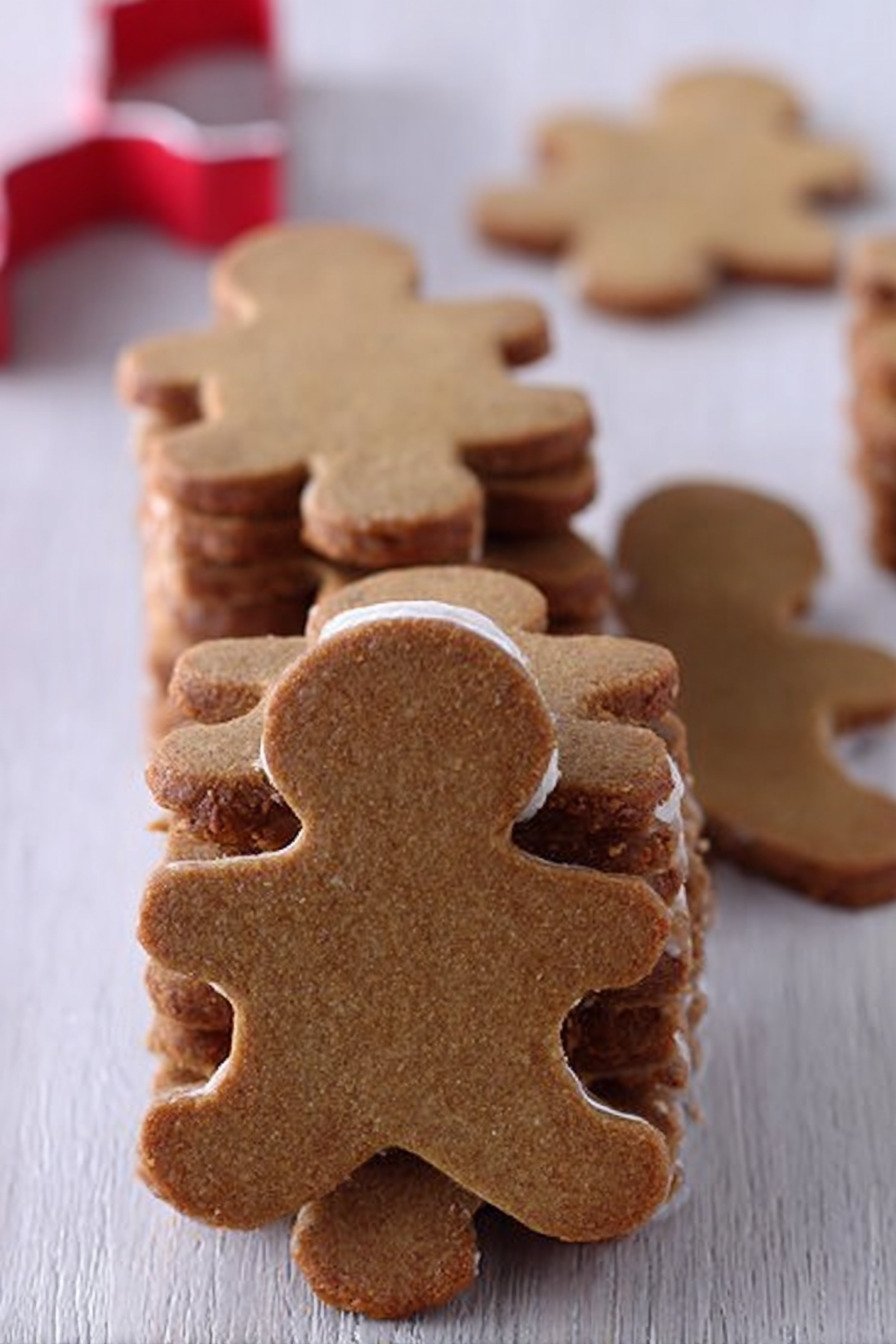
Step 8. Cut out your shapes with cookie cutters. Press straight down and lift straight up. Don’t twist the cutter or you’ll seal the edges and your cookies won’t rise properly. Place the cut cookies on your prepared baking sheet, leaving about an inch between them. They don’t spread much, but you want a little breathing room.
Step 9. Slide that sheet into your preheated oven and bake for 8 to 9 minutes. This is the tricky part. You want to take them out when they look slightly underbaked. They’ll still look soft and maybe even a tiny bit shiny in the center. They’ll firm up as they cool, I promise. If you wait until they look done in the oven, they’ll be hard as rocks once they cool down.
Step 10. Let the cookies cool on the baking sheet for about 5 minutes. They’ll still be really soft when they first come out. After 5 minutes, transfer them to a cooling rack. Once they’re completely cool, you can decorate them however you like. Or just eat them plain. I won’t judge.
5) Tips for Making Gingerbread Cookies
Room temperature ingredients make all the difference. I know I mentioned this already, but it’s so important I’m saying it again. Cold butter won’t cream properly with the sugar. A cold egg won’t incorporate smoothly into the mixture. Take everything out of the fridge at least an hour before you plan to start baking. Your dough will come together so much more easily and the texture will be better.
Don’t chill this dough unless you absolutely have to. I learned this the hard way after ruining my first batch. If you do need to refrigerate it because you’re making it ahead or it’s just too soft to work with, make sure you bring it back to room temperature before rolling. Like, really room temperature. If you try to roll out cold dough, it’ll crack and crumble and you’ll want to throw the whole thing in the trash. Let it sit on the counter for at least 30 minutes, maybe longer if your kitchen is cold.
Flour your work surface, but don’t go overboard. You want just enough flour to keep the dough from sticking. Too much flour and you’ll work it into the dough as you roll, making your cookies dry and tough. I like to use a light dusting and add more only if I need it. You can also roll the dough between two sheets of parchment paper if you want to avoid adding any extra flour at all.
Save those scraps. After you cut out your first batch of cookies, gather up all the leftover dough and gently press it back together. Don’t knead it too much or you’ll develop the gluten and make tough cookies. Just press it together, roll it out again, and cut more shapes. You can do this two or three times before the dough starts getting too worked and the cookies won’t be as tender.
Watch that oven like a hawk. Seriously, set a timer for 7 minutes even though the recipe says 8 to 9. Check them at 7, and if they need more time, give them another minute or two. Every oven is different, and the difference between perfect cookies and hockey pucks is sometimes just 60 seconds. Look for cookies that are set around the edges but still look slightly soft in the center.
Let them cool completely before decorating. I know it’s tempting to start frosting them right away, but trust me, wait. Warm cookies will melt your icing and make a huge mess. Give them at least 30 minutes to cool completely. If you’re in a hurry, you can stick them in the fridge for 10 minutes to speed things up.
6) Making Gingerbread Cookies Ahead of Time
This gingerbread dough recipe is perfect for making ahead. I do this all the time during the busy holiday season. You can make the dough, wrap it tightly in plastic wrap, and stick it in the fridge for up to two days. Just remember what I said earlier about bringing it back to room temperature before you try to roll it out. Trust me on this one.
If you want to make it even further ahead, freeze the dough. Wrap it really well in plastic wrap, then put it in a freezer bag and squeeze out all the air. It’ll keep in the freezer for up to three months. When you’re ready to use it, move it to the fridge the night before and let it thaw slowly. Then bring it to room temperature before rolling. Yes, this takes planning, but it’s so worth it when you can pull homemade cookie dough out of the freezer on a random Tuesday.
You can also freeze the baked cookies. This is actually my favorite way to prep ahead. Bake all the cookies, let them cool completely, then stack them between sheets of parchment paper in an airtight container. They’ll keep in the freezer for up to two months. Thaw them at room temperature for about 20 minutes before decorating or serving. They taste just as good as fresh baked.
If you’re planning a big decorating party, you can bake the cookies up to a week ahead. Store them in an airtight container at room temperature. They’ll actually stay fresher than you might think. The molasses in the gingerbread man cookies recipe keeps them moist. Just make sure your container is really airtight so they don’t dry out or absorb any weird flavors from your kitchen.
7) Storing Leftover Gingerbread Cookies
Store your finished cookies in an airtight container at room temperature. They’ll stay fresh for up to a week, sometimes even longer. If you decorated them with royal icing, make sure the icing is completely dry before you stack them. Otherwise you’ll end up with a sticky mess. Layer them between sheets of parchment or wax paper if you’re stacking them to prevent sticking.
Don’t store decorated and undecorated cookies together. The undecorated ones will absorb moisture from the icing and get soft. Keep them separate in different containers. If your decorated cookies do get a little soft, you can crisp them up by putting them in a 300°F oven for just a few minutes. Keep a close eye on them though.
If your cookies seem to be drying out, toss a slice of bread in the container with them. I learned this trick from my grandma. The cookies will absorb moisture from the bread and soften up. Just replace the bread slice every day or two so it doesn’t get moldy. Works like magic every time.
You can freeze decorated cookies too, but I don’t usually bother. The icing can sometimes get a little weepy when it thaws. If you do freeze them, make sure the icing is bone dry first. Freeze them in a single layer on a baking sheet until solid, then transfer to an airtight container or freezer bag. Thaw them in the container at room temperature so any condensation doesn’t drip onto the cookies.
Room temperature storage is really your best bet for these cookies. They don’t need to be refrigerated and actually taste better when they’re not cold. Just keep them in a cool, dry place away from direct sunlight. I usually keep mine in a tin on my kitchen counter where we can all grab one whenever we want a treat.
8) Try these Desserts next!



9) Gingerbread Cookies
Gingerbread Cookies That Won’t Spread (Perfect Every Time!)
Ingredients
- 3 cups all-purpose flour
- 1/2 teaspoon salt
- 1 tablespoon ground ginger
- 2 teaspoons ground cinnamon
- 1/4 teaspoon ground cloves
- 6 tablespoons unsalted butter, room temperature
- 3/4 cup dark brown sugar
- 1 large egg
- 1/2 cup molasses (unsulphured, not blackstrap)
- 2 teaspoons vanilla extract
- 1 teaspoon finely grated lemon zest (optional)
- 1 to 3 teaspoons milk (only if needed)
Instructions
- Preheat your oven to 375°F and line a baking sheet with parchment paper.
- In a medium bowl, whisk together the flour, salt, ginger, cinnamon, and cloves. Set this aside for now.
- Using a stand mixer or hand mixer, cream the butter and brown sugar together just until combined. You don’t want it too fluffy, just nicely mixed.
- Beat in the egg until it’s fully incorporated into the butter mixture.
- Add the molasses, vanilla extract, and lemon zest if you’re using it. Mix until everything is well combined.
- Gradually add the flour mixture to the wet ingredients, mixing on low speed until a dough forms. If your dough seems too dry and crumbly, add milk 1 teaspoon at a time until it comes together, but don’t make it wet or sticky.
- Roll the dough out on a lightly floured surface to about 1/4 inch thickness. Cut out your shapes with cookie cutters.
- Place the cut cookies on your prepared baking sheet and bake for 8 to 9 minutes. They should look slightly underdone when you take them out, they’ll firm up as they cool.
- Let the cookies cool on the baking sheet for a few minutes before transferring to a wire rack. Once completely cool, decorate as desired.
10) Nutrition
Serving Size: 1 cookie, Calories: 120, Sugar: 8.2 g, Sodium: 65 mg, Fat: 3.1 g, Saturated Fat: 1.9 g, Carbohydrates: 21.4 g, Fiber: 0.4 g, Protein: 1.8 g, Cholesterol: 16 mg







Leave a Comment