
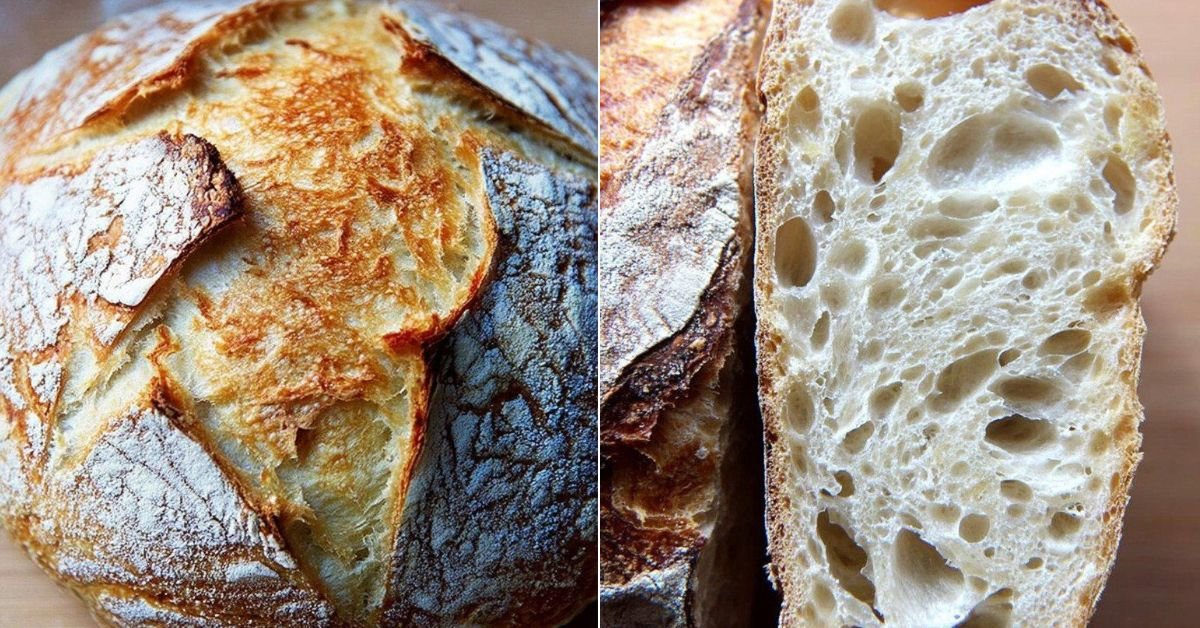
There’s nothing quite like mastering a sourdough bread recipe at home, especially when you follow a clear, beginner-friendly method. This guide to homemade sourdough bread recipes walks you through every stage, making it approachable even if you’ve never baked bread before. Whether you’re inspired by a kulcha recipe step by step or exploring global baking traditions, sourdough is a rewarding place to start. This easy sourdough bread recipe focuses on simplicity while delivering bakery-quality results. From mixing and folding to shaping and baking, you’ll learn techniques that make this process feel as straightforward as a chicken momos recipe step by step. Even if you’re short on time, this method can be adapted into a quick sourdough bread recipe with minimal effort. Once you’ve baked your first loaf, you’ll discover endless recipes with sourdough bread to enjoy. From sandwiches to toast variations, sourdough becomes a versatile staple in your kitchen. This sourdough bread recipe is your foundation for creating delicious, homemade bread that fits seamlessly into your everyday cooking routine.
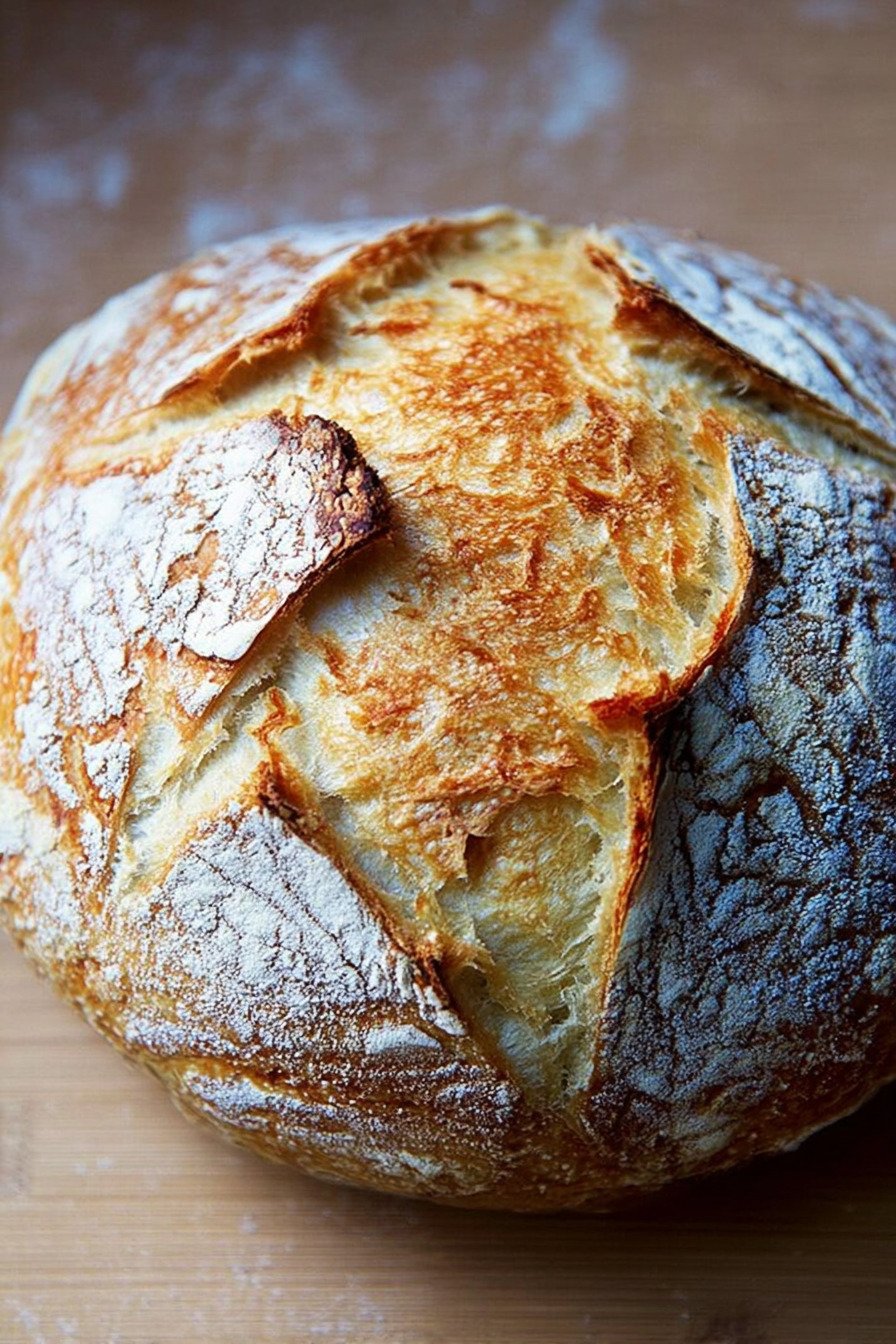
Table of Contents
- Key Takeaways
- Easy Homemade Sourdough Bread, Step by Step | Alexandra’s Kitchen Recipe
- Ingredients for Homemade Sourdough Bread, Step by Step | Alexandra’s Kitchen
- How to Make Homemade Sourdough Bread, Step by Step | Alexandra’s Kitchen
- Tips for Making Homemade Sourdough Bread, Step by Step | Alexandra’s Kitchen
- Making Homemade Sourdough Bread, Step by Step | Alexandra’s Kitchen Ahead of Time
- Storing Leftover Homemade Sourdough Bread, Step by Step | Alexandra’s Kitchen
- Try these main course recipes next!
- Homemade Sourdough Bread, Step by Step | Alexandra’s Kitchen
- Nutrition
1) Key Takeaways
- This sourdough bread recipe is beginner-friendly and uses a simple, streamlined method without unnecessary complications.
- The long cold proof helps create a crisp crust, airy crumb, and deeper flavor that makes homemade sourdough bread recipes so rewarding.
- It fits beautifully into Flat Bread Recipes inspiration because it is versatile, rustic, and perfect for serving with dips, soups, and mains.
- Once baked, the loaf can be used in many recipes with sourdough bread, from toast and sandwiches to crostini and hearty side dishes.
2) Easy Homemade Sourdough Bread, Step by Step | Alexandra’s Kitchen Recipe
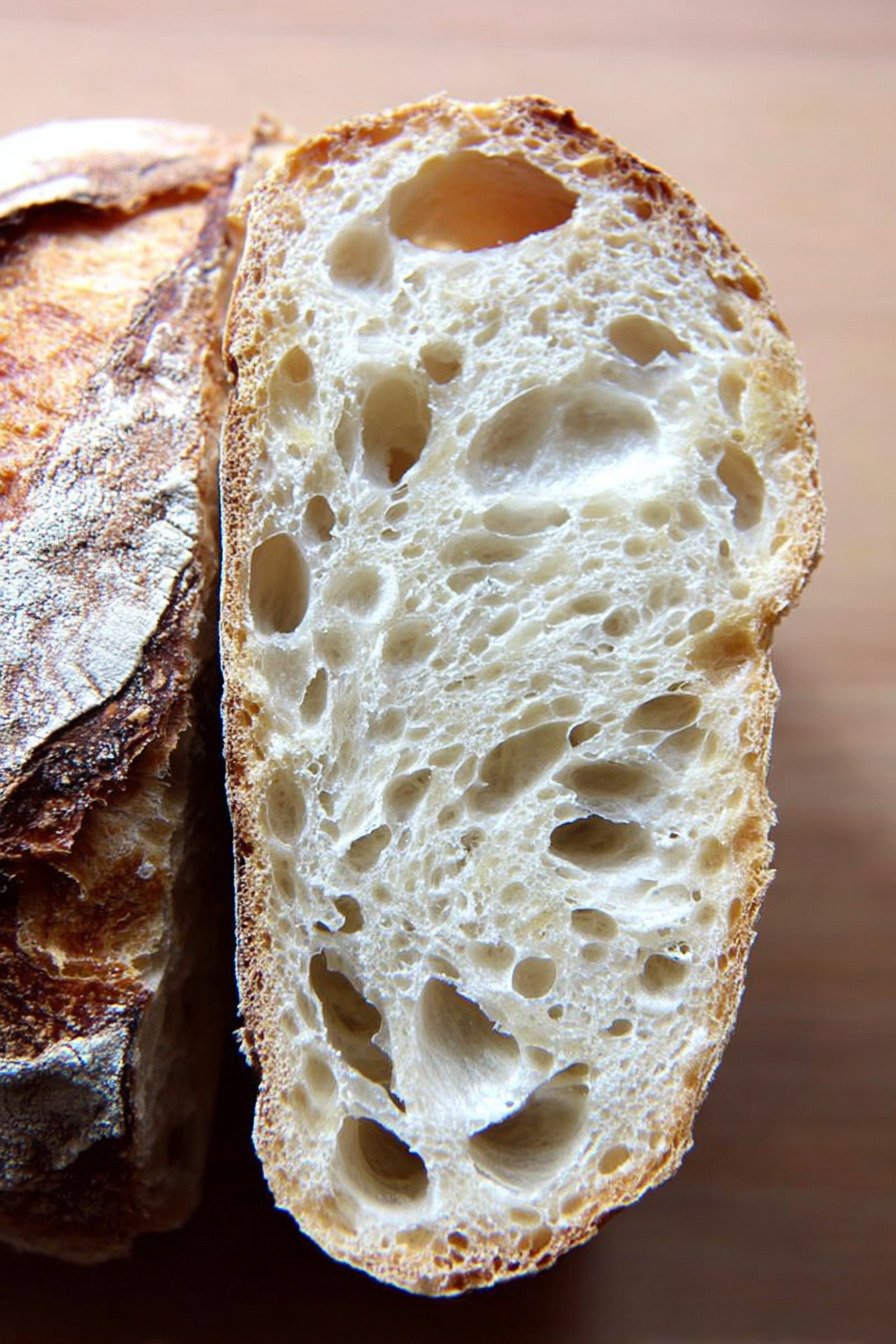
There is something deeply satisfying about baking your own loaf from scratch, and this sourdough bread recipe delivers that feeling in the most approachable way. It gives you the rustic beauty of artisan bread with a method that feels clear and manageable, even for newer bakers. If you have been looking through homemade sourdough bread recipes and wondering where to begin, this loaf is a wonderful place to start. The source recipe emphasizes that it is one of the simplest homemade sourdough breads, requires only a short amount of hands-on work, and skips both autolyse and preferment. :contentReference[oaicite:0]{index=0}
Because this recipe is being featured in Flat Bread Recipes, it makes perfect sense to highlight just how adaptable this loaf is at the table. While it is a classic boule rather than a flatbread, it pairs beautifully with the same kinds of meals and spreads you might serve alongside flatbreads. Think soups, stews, mezze platters, breakfast toast, or casual lunches. The clear guidance also gives it the same appeal people love in a kulcha recipe step by step or even a chicken momos recipe step by step: confidence-building instructions that turn a from-scratch project into something completely doable.
What makes this easy sourdough bread recipe especially appealing is the balance of simplicity and flavor. A strong starter, bread flour, salt, and water are transformed into a loaf with a golden crust and light interior, and the long chilled proof helps build that bakery-style texture. It may not be a truly quick sourdough bread recipe in the sense of same-day sandwich bread, but the active work is minimal, and the final loaf opens the door to countless recipes with sourdough bread once you have mastered the basics. The source recipe’s five-step framework includes mixing, bulk fermentation with stretches and folds, shaping, cold proofing, and baking. :contentReference[oaicite:1]{index=1}
3) Ingredients for Homemade Sourdough Bread, Step by Step | Alexandra’s Kitchen
Sourdough Starter This is the heart of the loaf and the ingredient that gives the bread its rise, character, and signature tang. An active starter brings natural fermentation to the dough and is what makes a sourdough bread recipe feel so rewarding and traditional.
Bread Flour Bread flour gives the dough structure and helps create that chewy, airy crumb sourdough lovers look for. It has the strength needed to support fermentation and is especially helpful in homemade sourdough bread recipes where good gluten development matters.
Water Water hydrates the flour, wakes up the starter, and helps form the texture of the dough. In an easy sourdough bread recipe, proper hydration is one of the keys to getting a loaf that feels soft, elastic, and easy to work with.
Salt Salt sharpens flavor and strengthens the dough at the same time. It is a simple ingredient, but it plays a major role in making the loaf taste balanced instead of flat.
Rice Flour or Extra Flour for Dusting A light dusting of flour helps prevent sticking during shaping and proofing. It also supports a cleaner release from the proofing basket or towel-lined bowl before baking.
Parchment Paper Parchment makes transferring the dough safer and easier, especially when working with a hot Dutch oven. It is one of those practical tools that makes the entire process feel smoother for beginners.
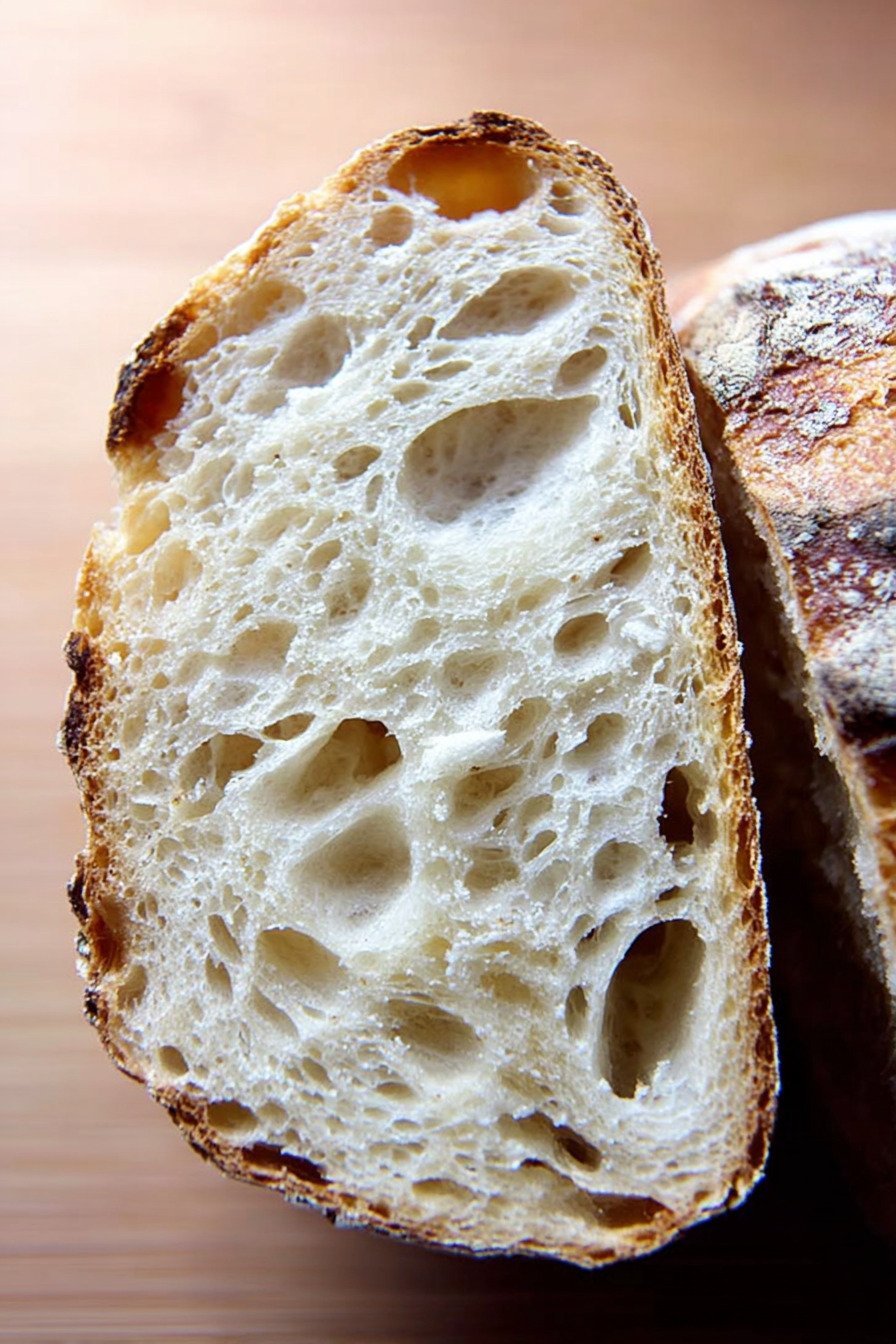
4) How to Make Homemade Sourdough Bread, Step by Step | Alexandra’s Kitchen
Step 1 Start by combining water, active sourdough starter, and salt in a large bowl, then stir in the bread flour until a shaggy dough forms. This recipe keeps the initial mix simple, which is one of the reasons it is so approachable for anyone trying an easy sourdough bread recipe for the first time.
Step 2 Cover the bowl and let the dough begin its bulk fermentation. During the first part of this rise, perform a few rounds of stretch-and-folds to build strength and elasticity. This gentle handling helps create structure without kneading.
Step 3 Once the dough has risen noticeably and looks airy, turn it out onto a lightly floured surface. Shape it, let it rest briefly, then shape it again into a tight round. This extra shaping step helps the loaf hold its form as it proofs.
Step 4 Transfer the shaped dough to a prepared proofing basket or towel-lined bowl and place it in the refrigerator for a long cold proof. This rest is where the dough develops deeper flavor and the light crumb that makes homemade sourdough bread recipes so impressive. The source recommends an ideal cold proof of 24 to 48 hours for the best texture. :contentReference[oaicite:2]{index=2}
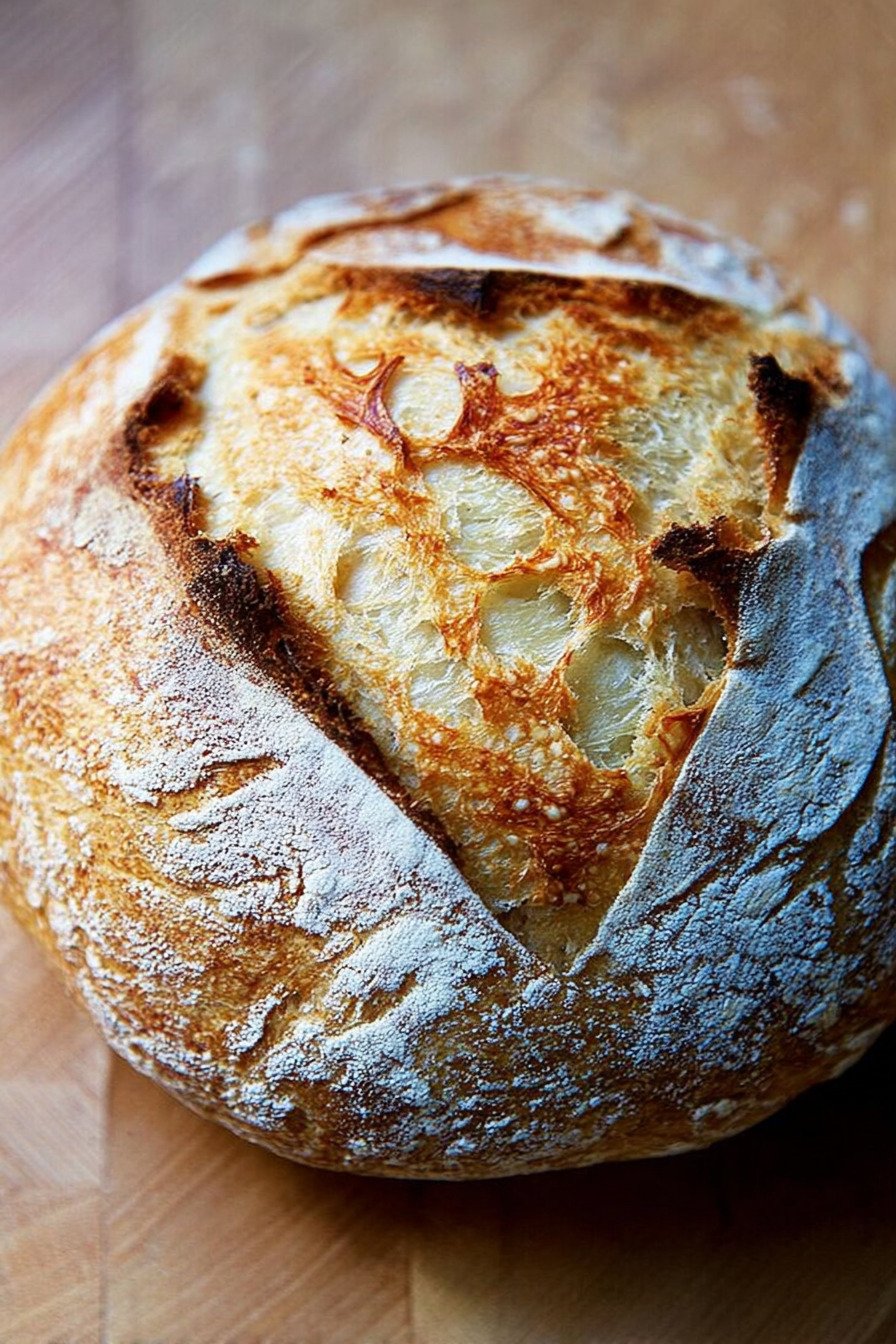
Step 5 When ready to bake, preheat your oven with a heavy lidded baking vessel inside. Turn the dough onto parchment, score the top, and carefully lower it into the hot pot. Bake covered first to trap steam, then uncovered so the crust can deepen in color and crisp up.
Step 6 Let the loaf cool fully before slicing. This final pause is worth it because it allows the crumb to set properly, giving you clean slices and the best texture for toast, sandwiches, and other recipes with sourdough bread.
5) Tips for Making Homemade Sourdough Bread, Step by Step | Alexandra’s Kitchen
The single most important factor in a successful loaf is using an active starter. If your starter is not lively, the dough will struggle to rise well and the crumb may turn out dense. The source notes that a starter should ideally double within 4 to 8 hours after feeding before it is ready to use, which is a helpful benchmark before you begin mixing your dough. :contentReference[oaicite:3]{index=3}
Do not rush the bulk fermentation or the cold proof. Sourdough works on its own schedule, and room temperature can change everything. If your kitchen is cool, the dough may need more time to rise. If it is warm, keep an eye on volume rather than the clock. This is one reason so many bakers appreciate a step-by-step format similar to a kulcha recipe step by step: visual cues help more than exact timing.
For the best crust, always preheat your baking vessel thoroughly and score the dough with confidence. A sharp score helps the loaf expand where you want it to, while strong heat helps create the crackly exterior. And although this is not a quick sourdough bread recipe in the usual sense, the hands-on time stays low, so the process feels manageable and easy to repeat.
6) MakingHomemade Sourdough Bread, Step by Step | Alexandra’s Kitchen Ahead of Time
Sourdough is actually one of the best breads to prepare ahead because the timeline naturally works around your schedule. You can feed your starter ahead of time, mix and ferment the dough later in the day, then refrigerate the shaped loaf overnight or longer. That means fresh bread can fit into a busy routine without requiring constant attention.
The long cold proof is especially useful when planning ahead. Once shaped, the dough can rest in the refrigerator until you are ready to bake, which makes this sourdough bread recipe ideal for weekends, gatherings, or holiday prep. The source notes that the dough can ideally proof cold for 24 hours and even up to 48 hours, giving you flexibility while also improving texture. :contentReference[oaicite:4]{index=4}
You can also bake the loaf in advance and plan meals around it. Fresh slices are perfect on day one, while the next day’s bread makes excellent toast, grilled sandwiches, and rustic sides for soups and salads. That makes it easy to turn one loaf into several recipes with sourdough bread across the week.
7) Storing Leftover Homemade Sourdough Bread, Step by Step | Alexandra’s Kitchen
To keep leftover bread tasting fresh, let it cool completely before storing it. Once cooled, keep it cut-side down on a board for short-term use or wrap it in a clean towel or paper bag to preserve the crust. Avoid sealing it too tightly while it is still fresh, since that can soften the beautiful exterior.
For longer storage, slice the loaf and freeze it in a well-wrapped bag or container. That way you can remove only what you need and toast slices straight from frozen. This is one of the easiest ways to make homemade sourdough bread recipes work for everyday life, especially if you like having bread ready for breakfast or lunch.
Leftover slices are also perfect for repurposing. Use them for grilled cheese, breakfast toast, garlic bread, croutons, bread crumbs, or even baked strata. If you enjoy collecting recipes with sourdough bread, a single loaf can easily stretch into several different meals instead of going to waste.
8) Try these main course recipes next!




9) Homemade Sourdough Bread, Step by Step | Alexandra’s Kitchen
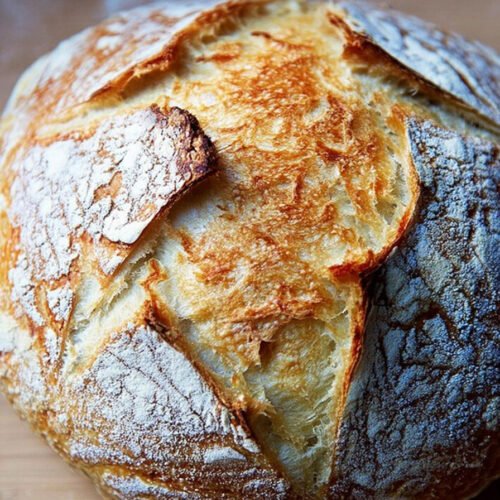
Easy Sourdough Bread Recipe for Beginners Step by Step
Ingredients
Starter & Dough
- 100 g active sourdough starter
- 500 g bread flour
- 350 g water
- 10 g salt
For Baking
- Extra flour for dusting
- Cornmeal or parchment paper
Instructions
Mixing & Autolyse
- In a large bowl, mix flour and water until combined and let rest for 30 minutes.
- Add sourdough starter and salt, then mix until fully incorporated.
Bulk Fermentation
- Cover the dough and let it rise at room temperature for 4–6 hours.
- Perform stretch and folds every 30 minutes during the first 2 hours.
Shaping & Proofing
- Turn the dough onto a floured surface and shape into a round loaf.
- Place into a floured proofing basket and let rise for 1–2 hours or refrigerate overnight.
Baking
- Preheat oven to 230°C (450°F) with a Dutch oven inside.
- Transfer dough to the hot pot, score the top, and bake covered for 20 minutes.
- Remove lid and bake for another 20–25 minutes until golden brown.
- Cool completely before slicing.
10) Nutrition
Serving Size 1 portion Calories 180 Sugar 1 g Sodium 290 mg Fat 1 g Saturated Fat 0 g Carbohydrates 36 g Fiber 2 g Protein 6 g Cholesterol 0 mg






Leave a Comment