

Look, I’m gonna be real with you. Weeknight dinners can feel like a battle sometimes, right? But this chickpea curry recipe is one of those spinach dinner recipes that actually makes my life easier. It’s basically a spinach curry recipe meets quick chickpea recipes, and honestly, it’s become one of my go-to vegetarian dinner recipes. If you’re hunting for easy curry recipes or healthy spinach recipes that don’t require a culinary degree, we’re speaking the same language. I love this dish because it comes together in one pot. You know what that means? Less cleanup, and more time to actually sit down and enjoy dinner. The coconut milk makes everything creamy and rich, the spices are warming without being scary-hot, and the spinach wilts down beautifully into the sauce. The best part? My kids actually eat it. That’s saying something. And when I say it takes about 30 minutes, I mean it. No tricks, no hidden prep work. Just throw everything in, let it simmer, and you’re golden. Serve it over some rice or with naan bread for scooping, and call it a win.
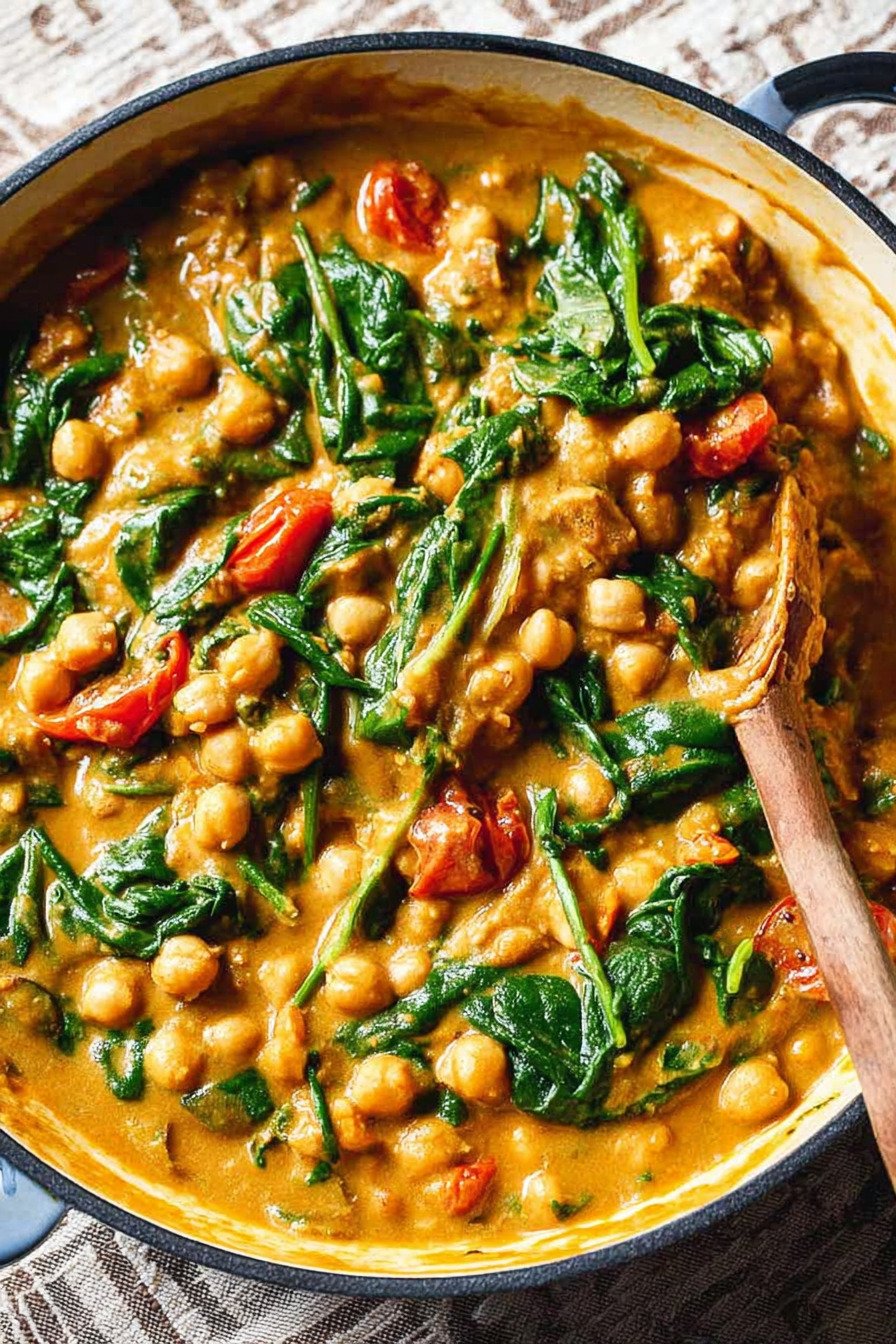
Table of Contents
- 1) Key Takeaways
- 2) Easy Chickpea and Spinach Curry Recipe
- 3) Ingredients for Chickpea and Spinach Curry
- 4) How to Make Chickpea and Spinach Curry
- 5) Tips for Making Chickpea and Spinach Curry
- 6) Making Chickpea and Spinach Curry Ahead of Time
- 7) Storing Leftover Chickpea and Spinach Curry
- 8) Try these Main Course recipes next!
- 9) Chickpea and Spinach Curry
- 10) Nutrition
1) Key Takeaways
- What makes chickpea and spinach curry a perfect weeknight dinner?
- Can you make this curry ahead of time for meal prep?
- What spices give this curry its authentic flavor?
- How do you thicken the curry sauce naturally?
- What’s the best way to serve chickpea and spinach curry?
2) Easy Chickpea and Spinach Curry Recipe
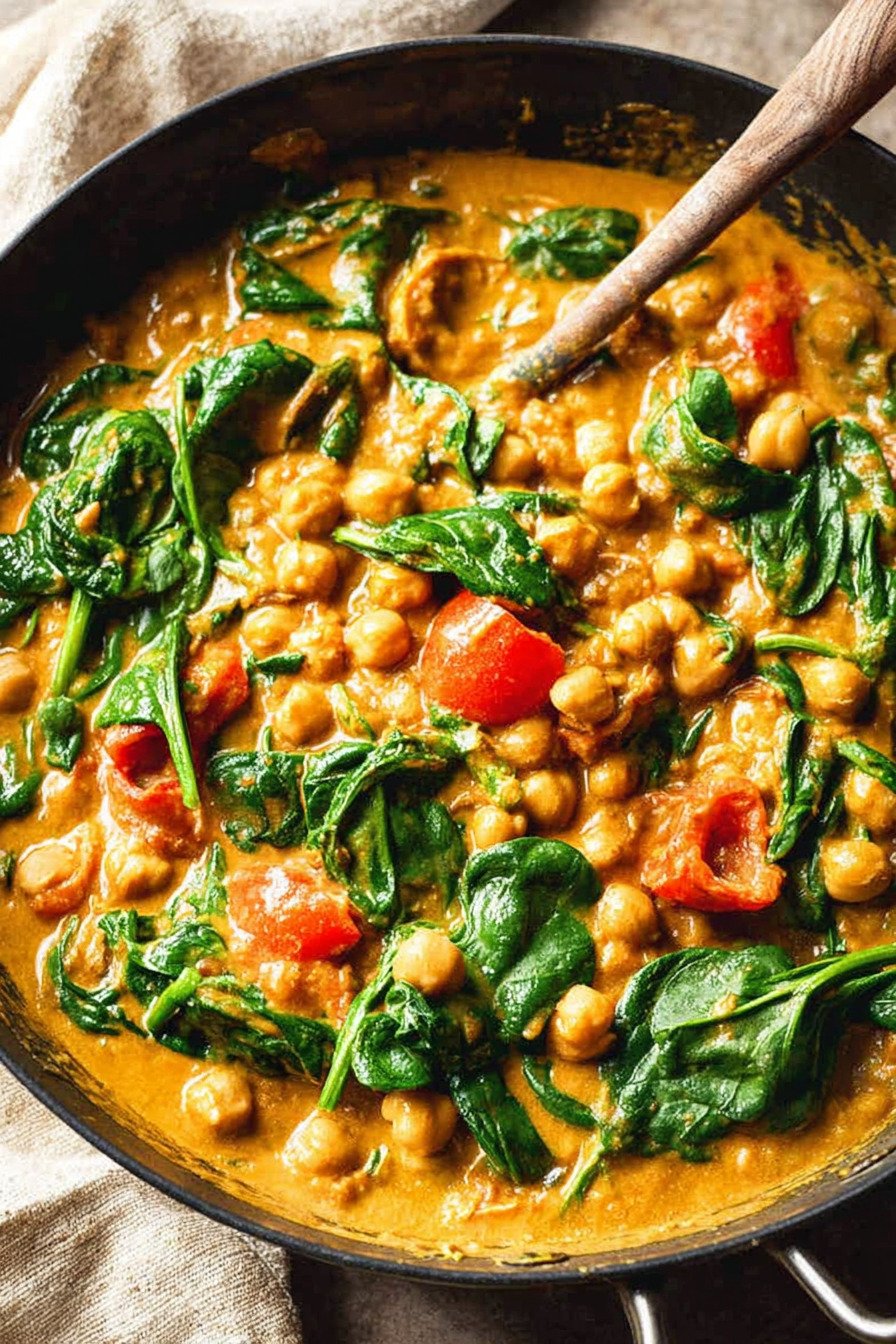
Listen, I’ve been making spinach dinner recipes for years, and this one has earned its spot in my weekly rotation. When you’re staring at the clock at 5 PM wondering what to feed everyone, this chickpea and spinach curry is your answer. It’s one of those spinach dinner recipes that doesn’t feel like you’re compromising on flavor just to get food on the table fast.
What I love most is the simplicity. You’re not running to specialty stores for weird ingredients. Everything you need is probably sitting in your pantry right now, or at least available at any regular grocery store. The spices might look like a lot when you line them up, but trust me, they’re all common ones. And if you’re missing one? The world won’t end. I’ve made this curry with half the spices listed and it still turned out great.
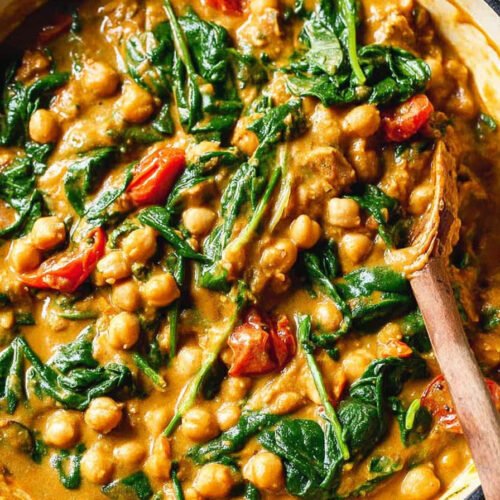
The texture is what really gets me. That creamy coconut milk mixed with the tomatoes creates this rich sauce that coats every chickpea. When the spinach wilts down into it, you get these pockets of green that soak up all that flavor. And using cherry tomatoes instead of canned gives you these little bursts of sweetness that balance out the spices perfectly.
Here’s the thing about one-pot meals. They’re a lifesaver when you’re exhausted. I can’t tell you how many times I’ve made this curry after a long day, knowing I only have to wash one pot later. That alone makes it worth trying. The fact that it tastes like you spent hours on it is just a bonus.
Kids are picky. Mine are, anyway. But this curry passes the test. It’s not too spicy, the chickpeas are filling, and if I serve it with some warm naan bread, they actually get excited about dinner. That’s a win in my book. Sometimes I’ll tone down the curry powder even more for them and add extra for myself later.
3) Ingredients for Chickpea and Spinach Curry
Coconut Oil
I always start with coconut oil for this recipe. It adds a subtle sweetness that works really well with the spices. If you don’t have it, regular vegetable oil works fine too. Don’t stress about it. I’ve used olive oil in a pinch and nobody could tell the difference. The key is getting your onions nice and soft in whatever fat you’re using.
Onion
You want a good-sized onion here, chopped up fine. This is where your curry gets its base flavor. I take my time with the onions, letting them cook until they’re really soft and starting to turn golden. That caramelization adds depth to the whole dish. If you’ve only got smaller onions, throw in two. More onion means a thicker, richer sauce.
Garlic
Fresh garlic is non-negotiable for me. Those jarred minced garlic things just don’t hit the same. Three cloves might seem like a lot, but once they cook down with everything else, you get this beautiful aromatic base. Mince them up nice and small so they distribute evenly throughout the curry.
Cherry Tomatoes
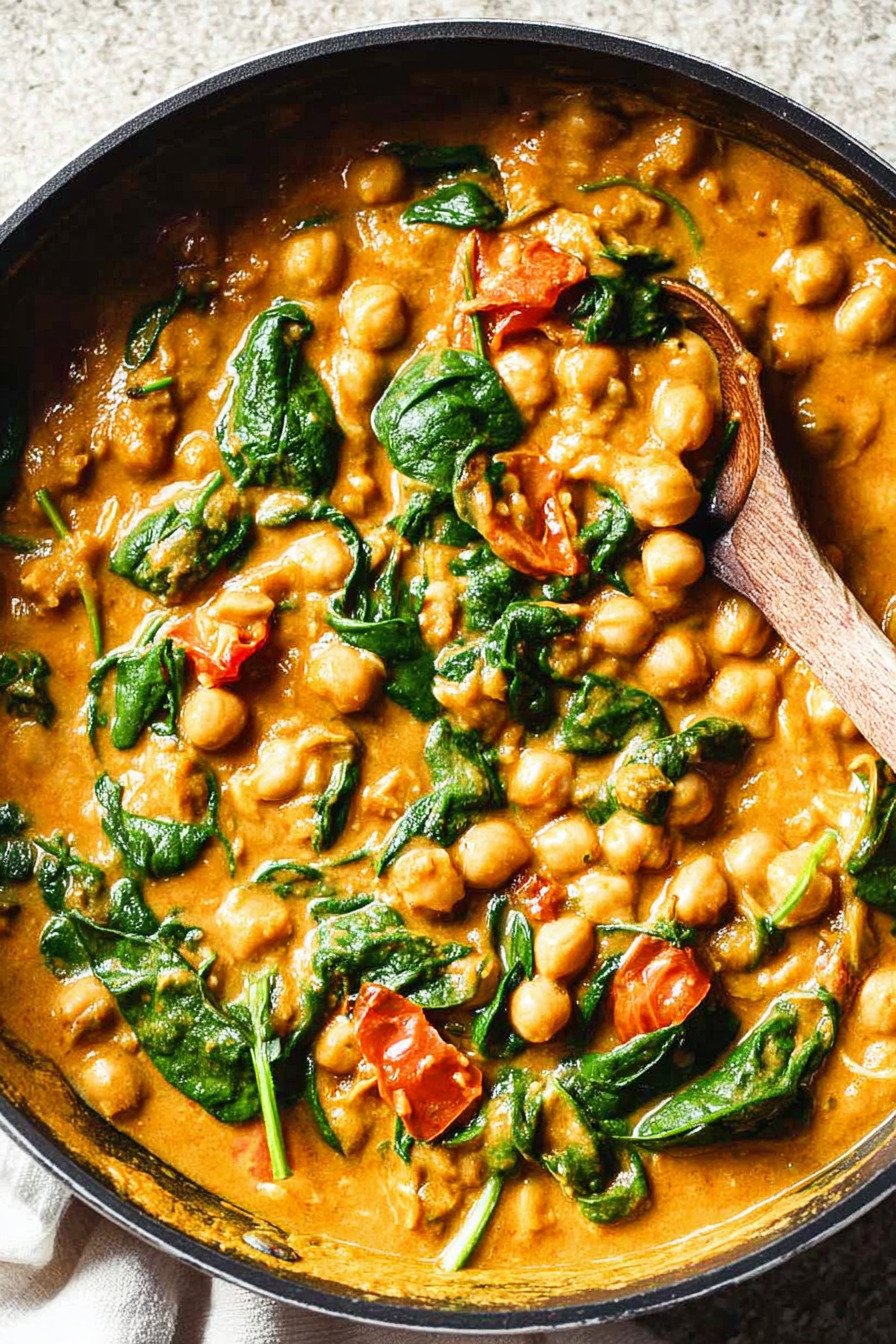
Here’s where this recipe shines. Fresh cherry tomatoes give you so much more flavor than canned. They break down while cooking but still give you these little pockets of sweetness. Get about two punnets worth and cut them in half. If all you have are regular tomatoes, chop up three medium ones. It’ll work out just fine.
Garam Masala
This spice blend is where the magic happens. Garam masala is a mix of warm spices like cinnamon, cardamom, and cloves. You can find it at any grocery store now. It gives the curry that authentic Indian flavor without you having to buy ten different spices. One teaspoon is plenty to start with.
Curry Powder
The heat level is totally up to you here. I use about a teaspoon and a half of mild curry powder because my kids eat this too. If you’re cooking just for adults who like some kick, go ahead and add more. Start with less and taste as you go. You can always add more spice, but you can’t take it back out.
Turmeric
That gorgeous golden color comes from turmeric. Half a teaspoon gives you the color and adds this earthy, slightly bitter note that balances everything out. Fair warning though, turmeric stains everything. Your cutting board, your counters, your hands. I’ve learned to clean up as I go when using this stuff.
Cinnamon and Cardamom
These two spices add warmth without adding heat. Ground cinnamon is easy to find. Cardamom might be new to you, but grab it from the spice aisle and give it a try. Together they create this subtle sweetness that makes you keep going back for another bite. Just half a teaspoon of cinnamon and a quarter teaspoon of cardamom does the trick.
Cumin
Ground cumin brings this smoky, nutty flavor that I absolutely love in curries. It’s one of those spices that smells even better than it tastes. When you add it to the hot oil with the other spices, your whole kitchen smells incredible. Use half a teaspoon and let it bloom in that oil.
Ginger
Fresh grated ginger adds this bright, zingy note that cuts through all the richness. I use about half a teaspoon, but if you love ginger like I do, feel free to add more. Grating it fine helps it distribute throughout the curry so you don’t get big chunks. If you only have powdered ginger, use a quarter teaspoon instead.
Tomato Paste
One tablespoon of tomato paste might not seem like much, but it concentrates all those tomato flavors and helps thicken your sauce. I cook it with the spices for a minute or two, which takes away any tinny taste and brings out the sweetness. Don’t skip this step.
Chickpeas
I’m all about convenience, so I use canned chickpeas. Two cans drained and rinsed is perfect. But if you’re the type who likes to cook dried beans from scratch, go for it. You’ll need about 480 grams of cooked chickpeas. Just make sure they’re tender before you add them to the curry.
Coconut Milk
This is what makes the sauce creamy and rich. You only need half a can, which is about 200ml. I save the other half for another recipe later in the week. Full-fat coconut milk works best here. The light stuff just doesn’t give you the same richness. Shake the can well before opening it so the cream mixes back in with the liquid.
Vegetable Stock
Three-quarters of a cup of stock adds depth without watering down your curry. If you don’t have stock, water works fine too. I keep those little stock cubes in my pantry for times like this. One cube dissolved in hot water gives you instant stock.
Baby Spinach
I love using baby spinach because it’s already washed and ready to go. Three cups sounds like a lot, but it wilts down to almost nothing. Throw it in at the very end and just stir until it wilts. The color stays bright green and it adds this fresh element that balances out all the richness from the coconut milk.
Chilli Flakes
This is totally optional and depends on your heat tolerance. I like to leave them off when I’m cooking and let everyone add their own at the table. That way the kids can enjoy it mild and the adults can spice it up. Fresh diced green chillies work great too if you’ve got them.
4) How to Make Chickpea and Spinach Curry
Step 1. Start with Your Base
Get your heaviest pot out and put it on medium heat. Add that tablespoon of coconut oil and let it melt completely. Once it’s shimmering, throw in your diced onion. This is where patience pays off. You want to cook these onions for about three to five minutes until they’re really soft and starting to smell sweet. Stir them every minute or so to keep them from sticking. If they start to brown too fast, turn your heat down a bit.
Step 2. Build the Aromatics
Time to add your minced garlic and those halved cherry tomatoes. Give everything a good stir to mix it all together. The tomatoes will start releasing their juice almost immediately, which is exactly what you want. Let this cook for about a minute, just enough for the garlic to become fragrant. You don’t want the garlic to burn, so keep stirring.
Step 3. Toast Your Spices
Now comes the fun part. Add all your spices at once: garam masala, curry powder, turmeric, cinnamon, cardamom, cumin, your grated ginger, tomato paste, and sea salt. Stir everything together really well, making sure every bit of tomato and onion gets coated in those spices. Let this cook for about two minutes. Your kitchen is going to smell amazing right now. This step is called blooming the spices, and it brings out all their flavors.
Step 4. Add Your Chickpeas
Pour in those drained chickpeas and stir them around so they get completely coated in all that spicy, aromatic mixture you’ve created. Let them hang out in there for a minute, soaking up all those flavors. This is what makes every bite of chickpea taste incredible instead of bland.
Step 5. Build Your Sauce
Pour in your coconut milk and vegetable stock. Turn the heat up a bit and bring everything to a good boil. You’ll see it start to bubble around the edges first. Once it’s at a full boil, immediately turn your heat down to low. This is where the magic happens.
Step 6. Let It Simmer
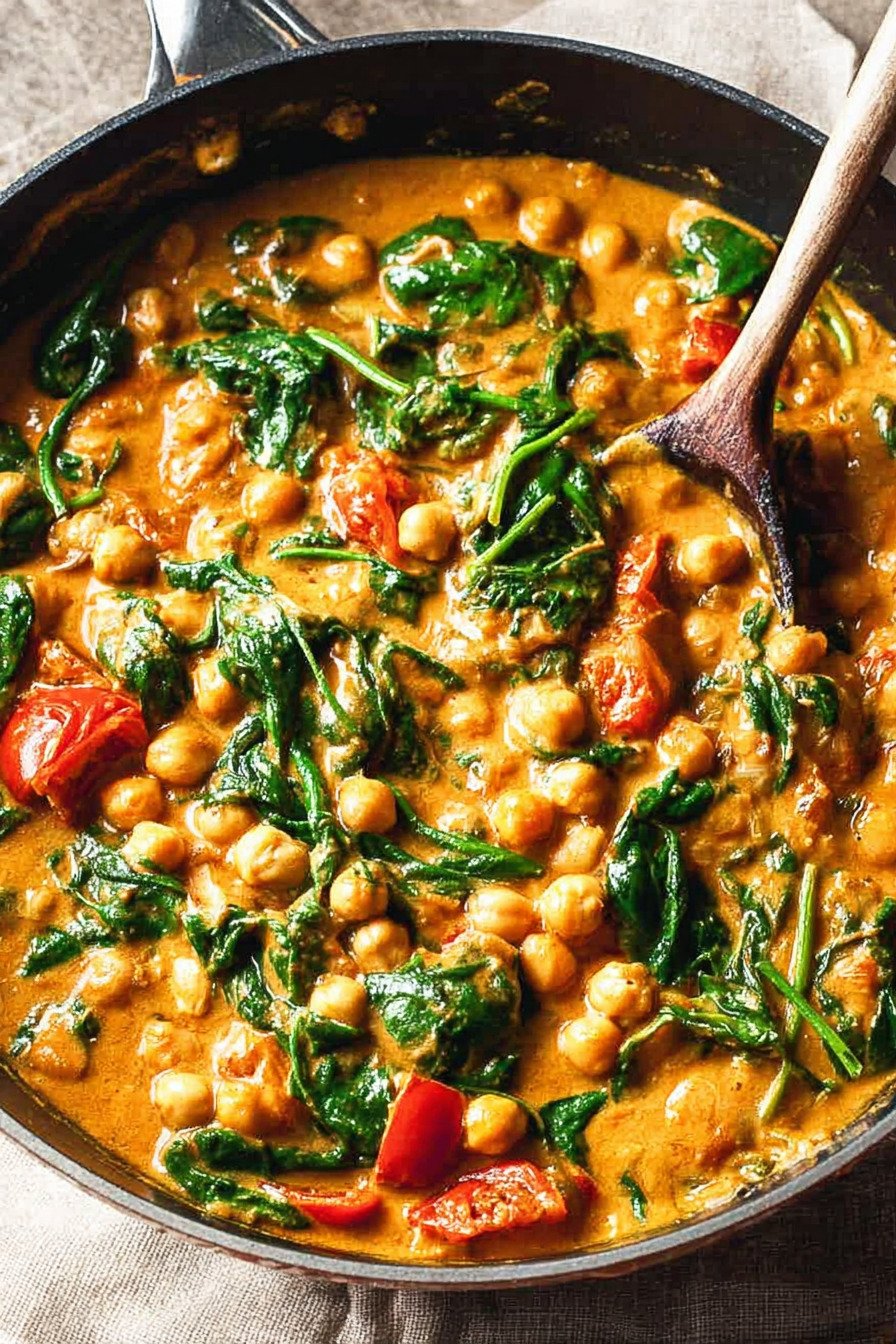
Here’s the most hands-off part. Leave that lid off your pot. Let the curry simmer on low heat for about 25 to 30 minutes. The sauce needs to reduce and thicken up. Stir it every five minutes or so to make sure nothing’s sticking to the bottom. You’ll notice the sauce getting thicker and creamier as time goes on. The tomatoes will break down completely and the whole thing will come together into this rich, gorgeous curry.
Step 7. Finish with Spinach
When your sauce looks thick and creamy, turn off the heat. Now throw in all that baby spinach. It’s going to look like way too much at first, but don’t worry. Just keep stirring and watch it wilt down in about a minute or two. The residual heat from the curry is enough to wilt it perfectly without overcooking it. You want it bright green and just wilted, not mushy.
Step 8. Taste and Adjust
This is your chance to make it perfect. Grab a spoon and taste it. Does it need more salt? Add a pinch. Want more heat? Sprinkle in those chilli flakes now. This is your curry, so adjust it to your liking. I sometimes add a squeeze of lime juice at the end for brightness, but that’s just me.
Step 9. Serve It Up
Ladle that curry into bowls over rice or quinoa. Or grab some naan bread for dunking. Garnish with extra chilli flakes if you want. The best part? You only have one pot to wash. Take a moment to appreciate that before you dig in.
5) Tips for Making Chickpea and Spinach Curry
After making this chickpea curry recipe countless times, I’ve picked up some tricks that make it even better. First thing, don’t rush the onions. I know it’s tempting to crank up the heat and move things along, but slow and steady wins the race here. Those caramelized onions are building flavor that you can’t get any other way. Give them the time they need.
The lid stays off during that long simmer. I learned this the hard way after ending up with soup instead of curry. When you leave the lid on, all that moisture stays trapped in the pot. You want it to evaporate so your sauce thickens up naturally. If you’re in a rush and need it thicker faster, mix a tablespoon of cornstarch with two tablespoons of water and stir that in after about 15 minutes of simmering.
Fresh ingredients make a difference here. I’ve tried this with canned tomatoes when I didn’t have fresh ones, and it’s fine, but not quite the same. The fresh cherry tomatoes give you these little bursts of flavor that canned tomatoes can’t match. Same goes for fresh garlic and ginger. Those jarred versions just don’t pack the same punch.
If you’re making this vegetarian dinner recipe for a crowd, it scales up really easily. I’ve doubled and even tripled this recipe for potlucks, and it works perfectly. Just make sure you have a big enough pot. The cooking time stays the same, you just need to stir it more often to make sure everything cooks evenly.
Want to add more vegetables? Go for it. This is one of those easy curry recipes that’s super forgiving. I’ve thrown in cubed sweet potato, cauliflower florets, and even diced eggplant. Just add them when you add the chickpeas so they have time to cook through. Root vegetables take longer, so cut them small.
The spice level is totally adjustable. Start with less curry powder if you’re nervous about heat. You can always add more at the end. I keep a bottle of hot sauce on the table so people can adjust their own bowls. That way I make one batch that works for everyone.
Don’t skip toasting those spices with the tomato paste. This step pulls out all those essential oils and makes the flavors bloom. It only takes two minutes but makes a huge difference in the final taste. Your curry will taste flat without it.
6) Making Chickpea and Spinach Curry Ahead of Time
This is where this recipe really shines for busy weeks. I make a big batch on Sunday and eat it all week long. The flavors actually get better after sitting in the fridge overnight. Something about that resting time lets all the spices meld together. By day three, it tastes even more incredible than it did fresh.
Here’s my meal prep strategy. I make the full recipe but keep the spinach separate. Cook everything else completely, let it cool down, and store it in containers in the fridge. When I’m ready to eat, I heat up a portion and stir in fresh spinach right before serving. This keeps the spinach bright green instead of that sad, khaki color it turns when you reheat it.
The curry thickens up quite a bit in the fridge. That’s totally normal. When you’re reheating it, add a splash of vegetable stock or water to thin it back out. Start with a quarter cup and add more if you need it. Heat it slowly over medium-low heat, stirring frequently so it doesn’t stick.
If I’m packing this for lunch, I portion it into individual containers with rice on the side. That way I can microwave it at work without ending up with mushy rice. Two minutes in the microwave and you’ve got a hot, satisfying lunch that beats anything from the cafeteria.
This quick chickpea recipe freezes beautifully too. I portion it into freezer bags, squeeze out all the air, and lay them flat to freeze. They stack perfectly and take up less space that way. Frozen curry lasts about three months. To reheat, thaw it in the fridge overnight and then warm it on the stove. Add fresh spinach when you reheat it for the best results.
One trick I learned is to slightly undercook the chickpeas if you know you’re freezing it. They’ll soften more when you reheat, so keeping them just a tiny bit firm prevents them from getting mushy later. Same goes if you’re adding vegetables like sweet potato.
7) Storing Leftover Chickpea and Spinach Curry
Leftovers last about four days in the fridge in an airtight container. I’ve stretched it to five days before and it was still good, but I wouldn’t push it past that. The chickpeas can start to get a little soft after too long, and while the curry is still safe to eat, the texture isn’t quite as nice.
The coconut milk can separate a bit when it’s cold, so don’t freak out if you open your container and see that. Just give it a good stir when you’re reheating and it’ll come right back together. I reheat portions on the stove over medium-low heat, stirring frequently. It takes about five minutes to heat through completely.
If you’re microwaving it, use a microwave-safe bowl and cover it loosely with a damp paper towel. This keeps the curry from drying out and prevents splatters. Heat it in one-minute intervals, stirring between each one. Two to three minutes total should do it, depending on how much you’re heating.
Here’s a pro tip for these healthy spinach recipes. Keep some fresh spinach in the fridge even after you’ve made the curry. When you reheat a portion, throw in a handful of fresh spinach right before eating. It wilts in the hot curry and tastes so much better than reheated spinach. Takes two seconds and makes a big difference.
The spices can stain plastic containers pretty badly. I learned this after ruining a few of my nice storage containers. Now I use glass containers for curries, or I line plastic ones with parchment paper before adding the curry. Sounds weird, but it works. Or just embrace the yellow-orange tint on your containers. Badge of honor, right?
If you’ve made rice to go with it, store that separately. Rice gets gummy when you store it mixed with curry. Keep them in separate containers and combine them when you’re ready to eat. The rice stays fluffy and the curry stays saucy. Win-win.
8) Try these Main Course recipes next!


9) Chickpea and Spinach Curry
Easy Spinach Dinner Recipes: One-Pot Chickpea Curry
Ingredients
- 1 tablespoon coconut oil
- 1 large onion, finely diced
- 3 garlic cloves, minced
- 400 grams cherry tomatoes, halved (about 2 punnets)
- 1 teaspoon garam masala
- 1 to 1½ teaspoons curry powder (use more if you like heat)
- ½ teaspoon turmeric
- ½ teaspoon ground cinnamon
- ¼ teaspoon ground cardamom
- ½ teaspoon ground cumin
- ½ teaspoon sea salt (plus more to taste)
- ½ teaspoon grated ginger
- 1 tablespoon tomato paste
- 480 grams cooked chickpeas (or 2 cans, drained)
- 200 ml coconut milk (half a 400ml can)
- ¾ cup vegetable stock or water
- 3 cups baby spinach
- 1 teaspoon chilli flakes or diced green chillies to serve (optional)
Instructions
- Grab a heavy pot and melt your coconut oil over medium heat. Toss in the diced onion and let it cook for about 3 to 5 minutes. You want it soft and starting to smell really good.
- Add the minced garlic and halved cherry tomatoes. Give everything a good stir.
- Now comes the fun part. Stir in all your spices: the garam masala, curry powder, turmeric, cinnamon, cardamom, cumin, grated ginger, tomato paste, and that sea salt. Let this cook for about 2 minutes. Your kitchen should smell amazing right about now.
- Add your chickpeas and stir them around to coat them in all those beautiful spices. Pour in the coconut milk and vegetable stock, then crank up the heat to bring everything to a boil.
- Once it’s boiling, drop the heat down to low. Here’s the key: leave the lid off. Let this simmer for about 25 to 30 minutes until the sauce gets thick and creamy. Stir it occasionally so nothing sticks to the bottom.
- When the sauce looks good and thick, stir in your baby spinach. It’ll wilt down in just a minute or two.
- Take it off the heat. If you’re into a bit of heat, sprinkle some chilli flakes or fresh chillies on top. Serve it over rice or quinoa, or grab some naan for dunking. Done.
10) Nutrition
Serving Size: 1 of 4 servings | Calories: 282 | Sugar: 5 g | Sodium: 805 mg | Fat: 17 g | Saturated Fat: 13 g | Carbohydrates: 28 g | Fiber: 8 g | Protein: 9 g







Leave a Comment