
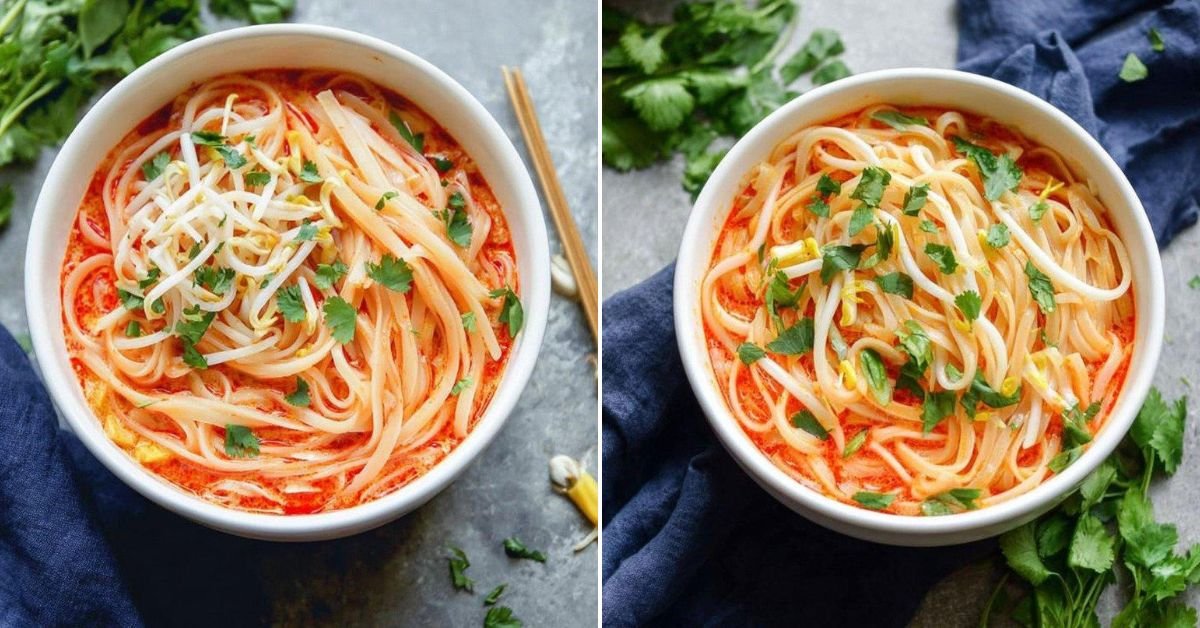
I stumbled onto this coconut curry noodle bowl recipe after a late night at work when I was starving and needed something fast. You know that feeling when you’re so hungry you might eat the takeout menu? Yeah, that was me. But here’s the thing: I whipped this up in about 15 minutes, and it tasted better than any restaurant version I’ve tried. Why am I obsessed with this recipe? The creamy coconut broth gets infused with red curry paste and fresh ginger, creating this warm, slightly spicy flavor that makes you want to slurp up every last drop. We’re talking comfort food that actually feels good to eat. Plus, it’s one of those easy vegetarian dinner recipes that doesn’t require fancy equipment or hard to find ingredients. I’ve made this dozens of times now, tweaking it here and there. Sometimes I toss in whatever veggies are hanging out in my fridge. Other times I keep it simple with just the noodles and sprouts. Either way, it comes together in one pot, which means cleanup is a breeze. Trust me, when you taste that first spoonful of that rich, coconutty broth, you’ll get why this has become my go to dinner on busy weeknights.
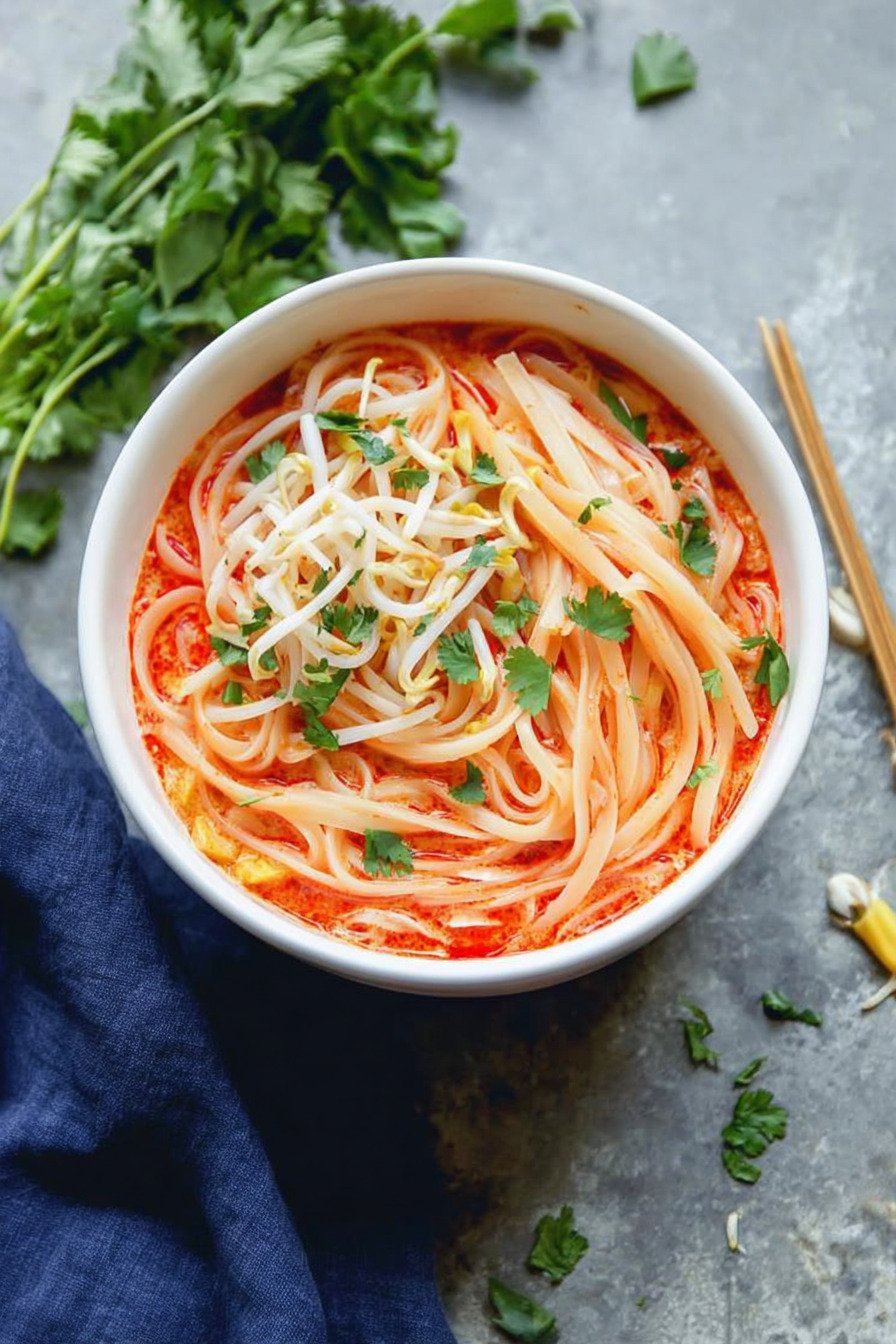
Table of Contents
- 1) Key Takeaways
- 2) Easy Coconut Curry Noodle Bowl Recipe
- 3) Ingredients for Coconut Curry Noodle Bowl
- 4) How to Make Coconut Curry Noodle Bowl
- 5) Tips for Making Coconut Curry Noodle Bowl
- 6) Making Coconut Curry Noodle Bowl Ahead of Time
- 7) Storing Leftover Coconut Curry Noodle Bowl
- 8) Try these Dinner next!
- 9) Coconut Curry Noodle Bowl
- 10) Nutrition
1) Key Takeaways
- What makes this coconut curry noodle bowl so quick to prepare?
- Can I make this recipe gluten free and vegan?
- What’s the secret to getting that restaurant quality curry flavor at home?
- How do I prevent my noodles from turning mushy in the broth?
2) Easy Coconut Curry Noodle Bowl Recipe
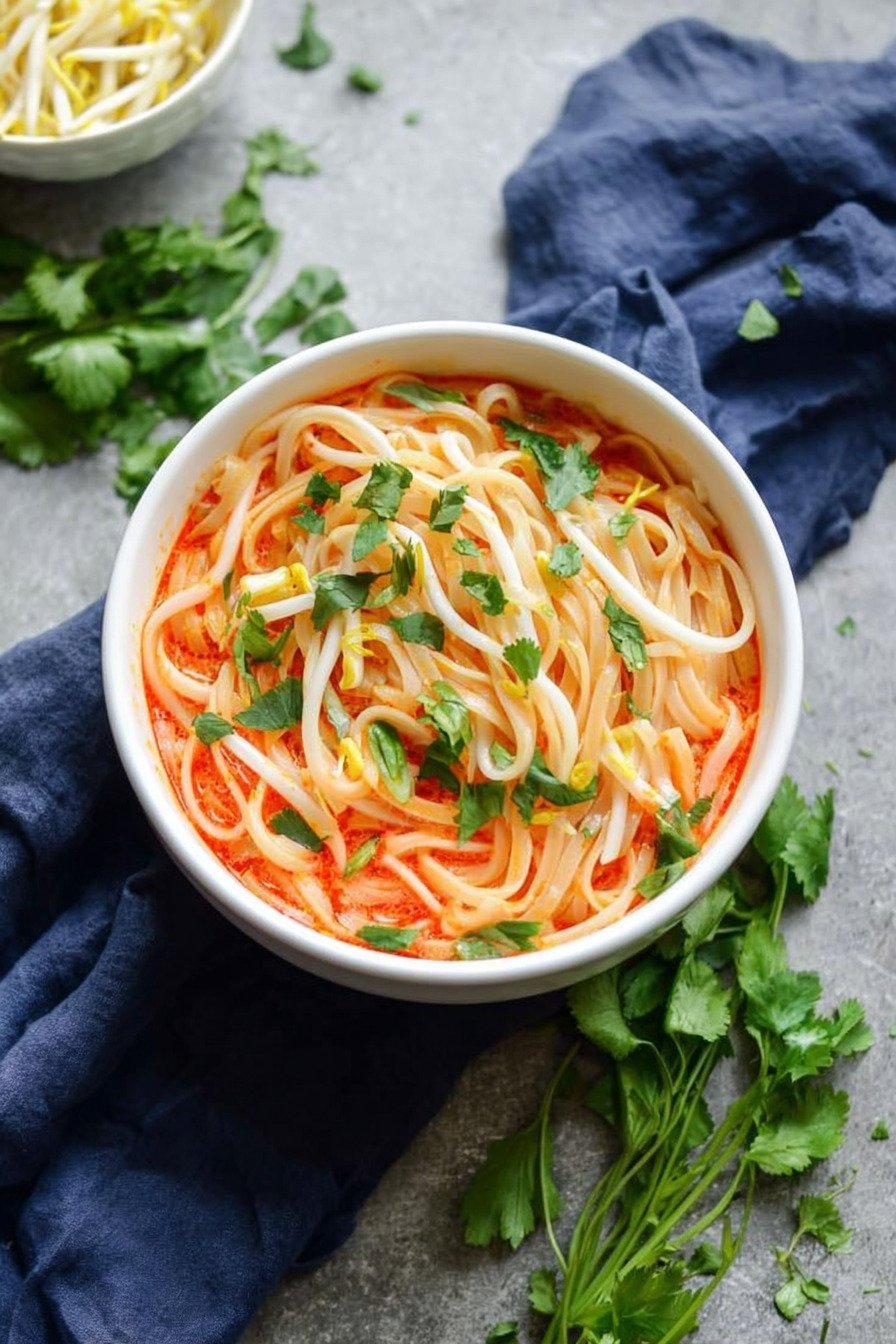
Looking for easy vegetarian dinner recipes that don’t take forever? This coconut curry noodle bowl is one of those easy vegetarian dinner recipes that’ll save your sanity on busy weeknights. I’m talking 15 minutes from start to finish, and that includes boiling water.
Here’s what makes this recipe different from other 1 Pot Meals you’ve tried. Everything cooks in one pan, so cleanup is basically nonexistent. The coconut milk creates this insanely creamy broth that clings to every noodle. We’re not talking about those watery 3 Ingredient Dinner Recipes that leave you hungry an hour later.
The flavor profile here is next level. Fresh ginger gets sautéed with garlic and red curry paste, building layers of taste that you just can’t get from those basic 4 Ingredient Recipes Dinner plans. Yeah, this recipe has a few more ingredients than those trendy 5 Ingredient Or Less Recipes, but trust me, each one earns its place in the bowl.
I started making this after getting tired of complicated Air fryer dinner recipes and bland Cauliflower Dinner Recipes that promised big flavor but delivered meh results. This bowl delivers every single time. The broth is rich without being heavy, spicy without burning your mouth, and satisfying without weighing you down.
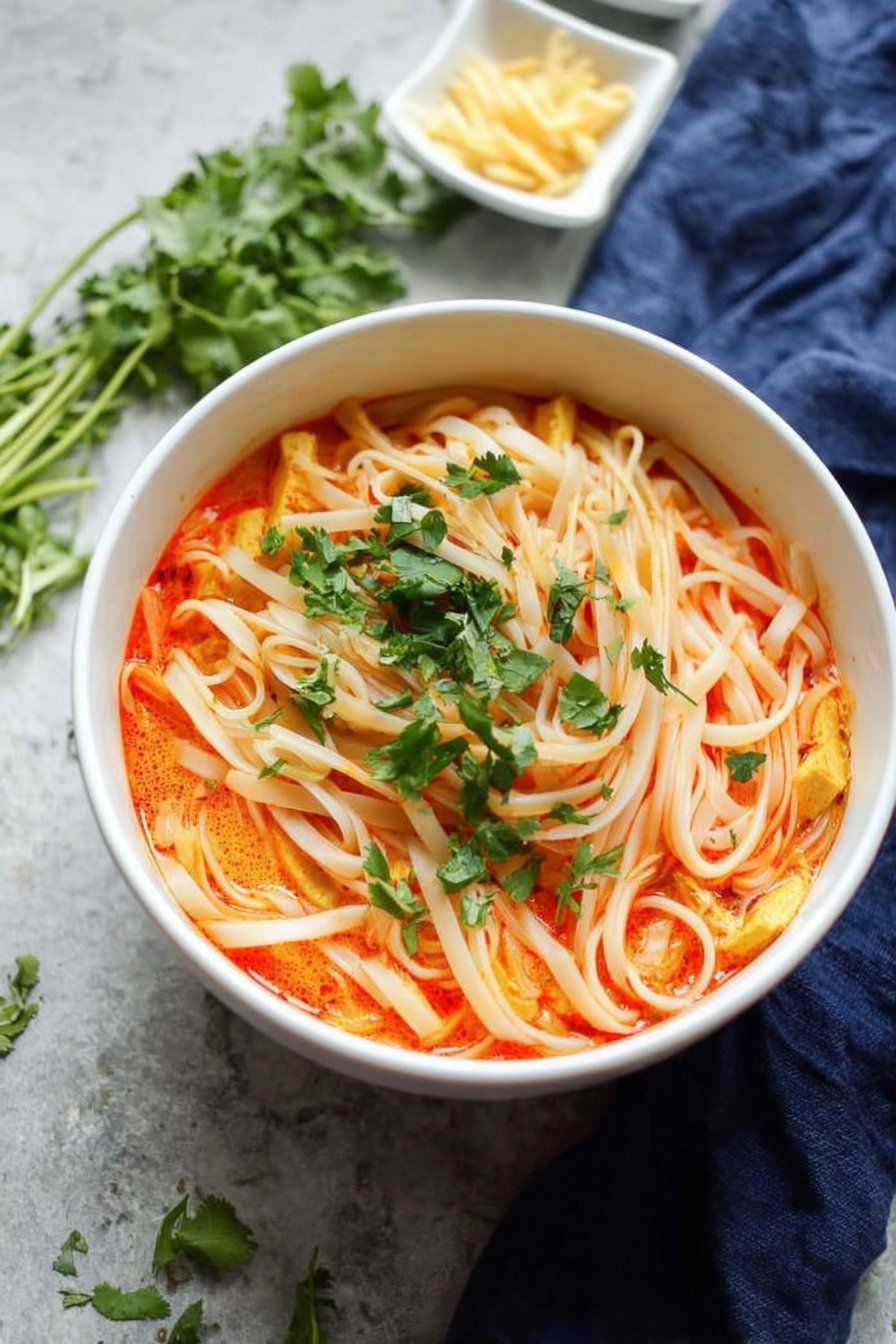
3) Ingredients for Coconut Curry Noodle Bowl
Avocado Oil
You can swap this for any neutral oil you’ve got sitting around. I like avocado oil for its high smoke point, but vegetable oil or even coconut oil works great here. Don’t overthink it. The oil just helps bloom the curry paste and garlic, releasing all those aromatic compounds that make your kitchen smell like a Thai restaurant.
Garlic Cloves
Four cloves might seem like a lot, but garlic is the backbone of this dish. I mince mine pretty fine so it distributes evenly throughout the broth. If you’re one of those people who thinks garlic makes everything better, feel free to add an extra clove or two. No judgment here.
Thai Red Curry Paste
This is the star ingredient that makes or breaks the recipe. I buy Thai Kitchen brand from the Asian aisle at my regular grocery store. It comes in a small jar and lasts forever in the fridge. Three tablespoons gives you a nice kick without setting your mouth on fire. Start with two if you’re sensitive to spice.
Fresh Ginger
Please use fresh ginger here, not the powdered stuff. The bright, zesty flavor of freshly grated ginger cuts through the richness of the coconut milk and adds this amazing warmth to the broth. I use a microplane to grate mine, but a regular box grater works fine too.
Vegetable Broth
Low sodium is key here. You want control over the salt level, especially since the soy sauce adds plenty of saltiness later. I’ve used store brand, fancy organic broth, and even bouillon cubes dissolved in water. They all work. Just make sure you’ve got four cups ready to go.
Full Fat Coconut Milk
Do not, I repeat, do not use light coconut milk. You need the full fat version to get that silky, restaurant quality texture. The can should say it’s about 14 ounces. Shake it up before opening since the cream separates from the liquid. Pour the whole thing in, including that thick cream on top.
Soy Sauce or Tamari
Two teaspoons add just enough umami and saltiness to balance the sweet coconut milk. If you’re gluten free, grab tamari instead of regular soy sauce. Same flavor, no gluten. I always go low sodium here so I can adjust the seasoning at the end.
Rice Noodles
I’m partial to the thick rice noodles because they have more chew and hold up better in the broth. But thin ones work too, they just cook faster. Check your package directions since timing varies wildly. Some noodles need six minutes, others are done in three.
Bean Sprouts
These add a fresh, crunchy contrast to the soft noodles and rich broth. I toss them in right at the end so they stay crisp. You can find them in the produce section near the Asian vegetables. A two cup bag is perfect for this recipe.
Fresh Cilantro
I know cilantro is divisive. Some people love it, others think it tastes like soap. If you’re in the soap camp, just skip it or swap in fresh basil. The recipe still works. But if you’re team cilantro like me, don’t skimp. That fresh, herby brightness ties everything together.
Lime Wedges
Never skip the lime. Squeezing fresh lime juice over the bowl right before eating adds acidity that brightens all the flavors. It cuts through the richness and makes each bite pop. I always serve this with lime wedges on the side so everyone can add as much or as little as they want.
Sriracha or Hot Sauce
Totally optional, but I’m a heat seeker so I always have my bottle of sriracha ready. A few drizzles on top take this from comforting to crave worthy. You can skip it if spice isn’t your thing, or go wild if it is.
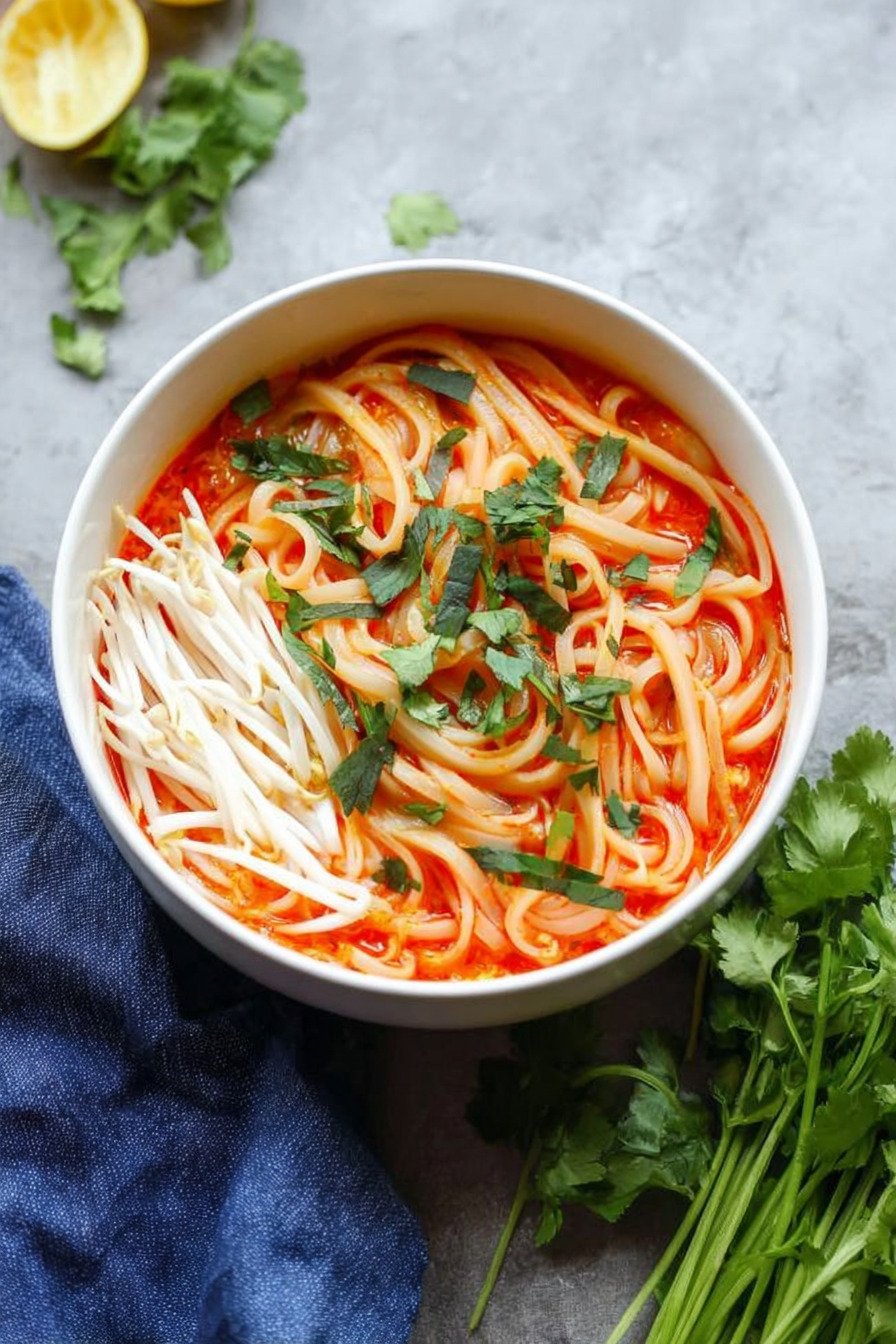
4) How to Make Coconut Curry Noodle Bowl
Step 1
Grab your largest saucepan or a medium sized pot. Pour in the avocado oil and turn the heat to medium low. Let it warm up for about 30 seconds. You’re not trying to get it smoking hot, just warm enough to bloom the aromatics.
Step 2
Toss in your minced garlic and the red curry paste. Here’s where the magic starts. Use a wooden spoon or spatula to stir these around, breaking up any clumps of curry paste. Keep stirring for about three minutes. Your kitchen will start smelling incredible right about now. Watch the garlic carefully so it doesn’t burn and turn bitter.
Step 3
Add the grated ginger to the pan. Stir it in and let everything cook together for another minute. The ginger will release this amazing fragrance that makes you want to stick your face right over the pot. Resist the urge. The steam is hot.
Step 4
Now pour in your vegetable broth, coconut milk, and soy sauce all at once. Give everything a good stir to mix it all together. Crank the heat up to high and bring the liquid to a rolling boil. This usually takes about three to five minutes depending on your stove.
Step 5
Once you’ve got a good boil going, add your rice noodles. Separate them gently with tongs or chopsticks so they don’t clump together. Let them cook according to your package directions. Mine take about six minutes since I use thick noodles, but check yours. When there’s about one minute of cooking time left, throw in the bean sprouts.
Step 6
Kill the heat and carefully ladle the noodles and broth into bowls. This part can get messy, so take your time. The broth is super hot, and slurping up noodles straight from the pot is tempting but dangerous. Use a ladle and tongs to make your life easier.
Step 7
Top each bowl with a generous handful of chopped cilantro. Place a lime wedge on the side of each bowl. If you’re using hot sauce, now’s the time to drizzle it on. Squeeze that lime over the top before digging in. The acid from the lime makes everything taste brighter and more balanced.
5) Tips for Making Coconut Curry Noodle Bowl
Don’t skip blooming the curry paste. I know it seems like an extra step, but cooking the curry paste in oil for a few minutes wakes up all those spices and aromatics. If you just dump it straight into the liquid, you’ll get a flat, one dimensional flavor. Taking three minutes to bloom it properly makes a huge difference in the final dish.
Watch your noodle timing like a hawk. Rice noodles can go from perfectly tender to complete mush in about 30 seconds. I always set a timer and start checking them a minute before the package says they should be done. You want them tender but still with a little bite. They’ll continue cooking slightly in the hot broth even after you turn off the heat.
Taste your broth before serving. Every curry paste brand has different salt levels, and broths vary too. Before you divide everything into bowls, grab a spoon and taste the broth. Need more salt? Add another splash of soy sauce. Want more heat? Stir in a bit more curry paste or some chili flakes. This is your chance to make it perfect.
Keep those bean sprouts crunchy. The whole point of adding them at the last minute is to maintain that fresh, crisp texture. If you toss them in too early, they’ll wilt and turn soft. One minute in the hot broth is plenty to warm them through while keeping that satisfying crunch.
Serve this immediately after making it. Rice noodles are best when they’re fresh and haven’t been sitting around absorbing all the broth. If you know you’ll have leftovers, consider cooking the noodles separately and storing them apart from the broth. Then just reheat the broth and add the noodles when you’re ready to eat.
6) Making Coconut Curry Noodle Bowl Ahead of Time
Here’s the thing about meal prepping this recipe. The broth itself is fantastic for making ahead. You can cook the broth up through step 4, let it cool completely, and store it in the fridge for up to three days. When you’re ready to eat, just reheat it on the stove, bring it back to a boil, and add your noodles and sprouts.
I don’t recommend cooking the noodles ahead of time if you can avoid it. Rice noodles turn into a starchy, gummy mess when they sit in liquid for hours. They’ll soak up all that beautiful broth and lose their texture. If you absolutely must prep everything in advance, cook and store the noodles separately from the broth.
For the toppings, chop your cilantro and cut your lime wedges the night before. Store them in separate containers in the fridge. The cilantro will stay fresh for a day or two if you keep it in an airtight container with a slightly damp paper towel.
If you’re taking this to work for lunch, pack the broth in one container and the cooked noodles in another. Store your cilantro, lime, and hot sauce separately too. When you’re ready to eat, microwave the broth until it’s steaming hot, pour it over the noodles, add your toppings, and you’re good to go.
7) Storing Leftover Coconut Curry Noodle Bowl
Let’s be real about leftovers. This dish doesn’t keep perfectly, but it’s still pretty good the next day if you handle it right. Transfer any leftover noodles and broth into an airtight container and stick it in the fridge. It’ll keep for about two to three days max.
When you reheat it, the noodles will have absorbed a lot of the broth and become softer. That’s just how rice noodles work. To combat this, I add a splash of vegetable broth or coconut milk when reheating. This loosens everything up and brings back some of that saucy consistency you had on day one.
Reheat your leftovers on the stovetop over medium heat, stirring frequently until everything’s hot all the way through. You can microwave it if you’re in a hurry, but stovetop reheating gives you better texture. Just warm it in 30 second intervals, stirring between each one, until it’s steaming.
Don’t bother trying to freeze this. The coconut milk can separate and turn grainy when frozen and thawed. The noodles turn into mush. If you want to freeze something, freeze just the broth before adding the noodles. You can thaw it later and add fresh noodles for a quick meal.
Pro tip for day two eating. Add some fresh crunch back into your leftovers. Toss in some fresh bean sprouts, extra cilantro, a squeeze of lime, and maybe some crushed peanuts or crispy fried shallots. These add back the textural contrast that gets lost in the fridge overnight.
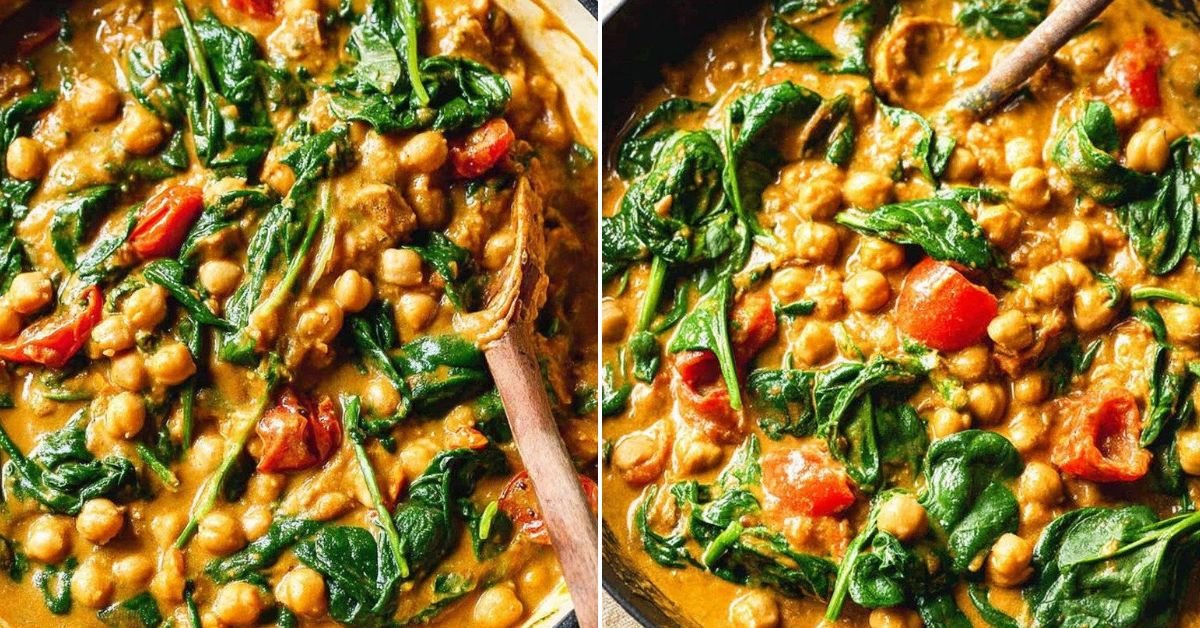
8) Try these Dinner next!


9) Coconut Curry Noodle Bowl
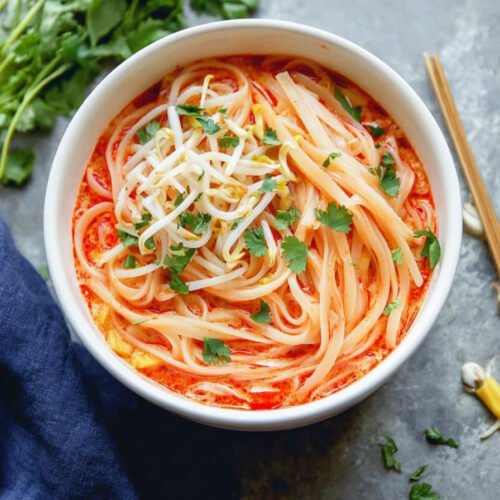
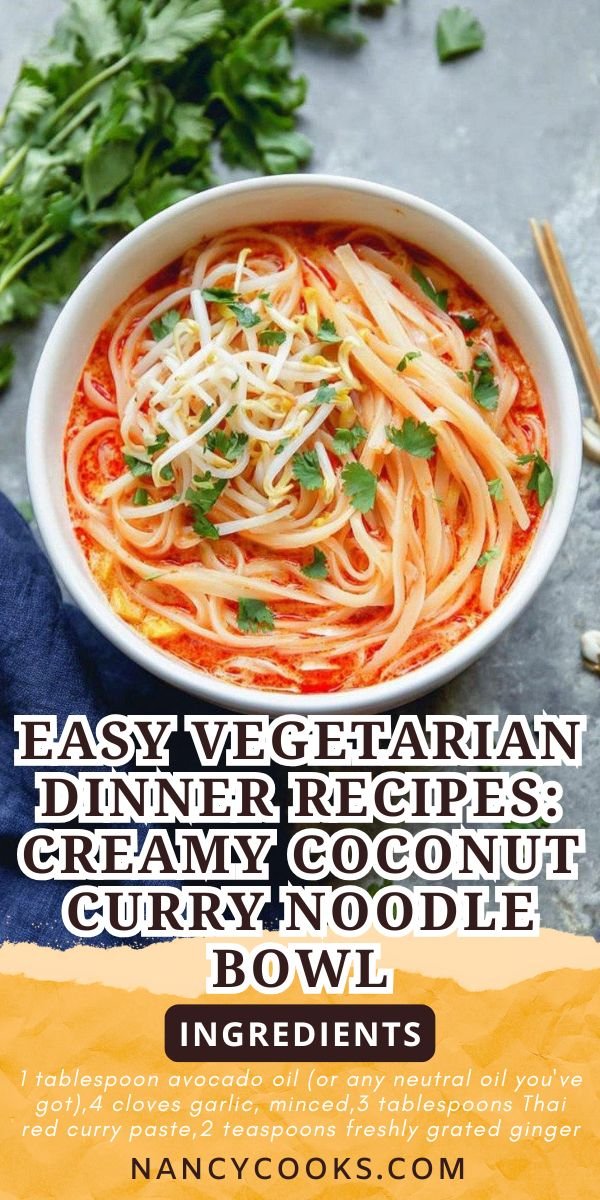
Easy Vegetarian Dinner Recipes: Creamy Coconut Curry Noodle Bowl
Ingredients
- 1 tablespoon avocado oil (or any neutral oil you’ve got)
- 4 cloves garlic, minced
- 3 tablespoons Thai red curry paste
- 2 teaspoons freshly grated ginger
- 4 cups low sodium vegetable broth
- 1 (14 oz) can full fat coconut milk
- 2 teaspoons low sodium soy sauce or tamari (use tamari for gluten free)
- 8 oz rice noodles (I like the thick ones)
- 2 cups fresh bean sprouts
- 1 handful fresh cilantro, chopped
- 4 lime wedges
- Sriracha or your favorite hot sauce (optional, but recommended)
Instructions
- Grab a large saucepan or pot and heat the oil over medium low heat for about 30 seconds. You want it warm but not smoking.
- Toss in the minced garlic and curry paste. Stir them around for about 3 minutes, keeping an eye on it so the garlic doesn’t burn. Your kitchen will start smelling amazing right about now.
- Add the grated ginger and let it cook for another minute, stirring constantly.
- Pour in the vegetable broth, coconut milk, and soy sauce. Crank up the heat and bring everything to a boil.
- Once it’s boiling, add your rice noodles. Let them cook according to the package directions (mine usually take about 6 minutes since I use thick noodles). When there’s about 1 minute left, throw in the bean sprouts.
- Kill the heat and carefully ladle the noodles and broth into bowls. Be warned: this is hot and a bit messy, so take your time.
- Top each bowl with a generous sprinkle of fresh cilantro and serve with a lime wedge on the side. Squeeze that lime over the top before digging in. If you like heat, drizzle some sriracha on there too.
10) Nutrition
Serving Size: 1 bowl (1/4 of recipe) | Calories: 385 | Sugar: 3.2 g | Sodium: 725 mg | Fat: 22.1 g | Saturated Fat: 18.4 g | Carbohydrates: 42.8 g | Fiber: 2.3 g | Protein: 6.2 g | Cholesterol: 0 mg






Leave a Comment